

Key Takeaways:
- Emotional compatibility is just as vital as technical skills when choosing a maid for elderly care.
- Specific training for age-related conditions like dementia or mobility issues is often neglected in initial searches.
- Clear communication regarding household expectations prevents early burnout for both the caregiver and the family.
- Continuous support and monitoring are necessary as an elderly person’s needs will inevitably change over time.
Introduction
Hiring help for an ageing parent is a significant decision that usually comes from a place of deep love and a desire for safety. However, many families approach the process as a purely logistical task-finding someone who can cook, clean, and keep an eye on things. While these are important, there is a whole layer of care that often goes unconsidered until the person has already moved in. A maid for elderly care is more than just a domestic helper; they become a primary companion for your loved one. Overlooking the human side of this arrangement can lead to friction and dissatisfaction for everyone involved.
The Importance of Emotional Intelligence
One of the biggest things families miss is the need for a personality match. An elderly person might be fiercely independent, or they might be feeling quite vulnerable and lonely. If you hire a caregiver who is very efficient but perhaps a bit all business, a sensitive senior might feel like they are being bossed around in their own home. Conversely, a senior who values directness might be frustrated by an overly shy helper. When you are looking for a home caregiver, it is worth spending time thinking about the temperament of your family member and who might best complement them.
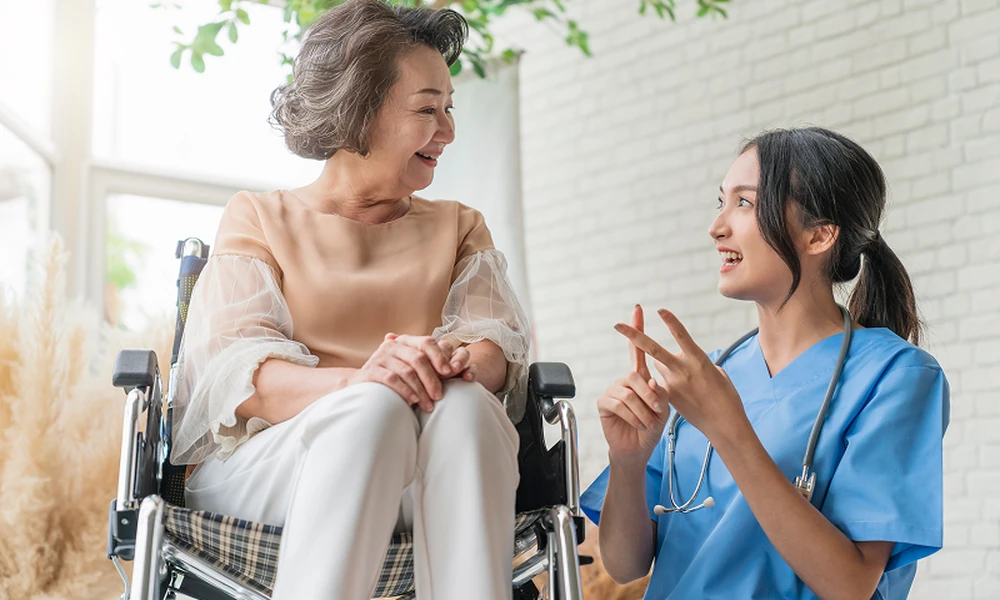
It is also about the caregiver’s ability to handle the emotional toll of the job. Caring for someone with declining health or memory loss is exhausting. A helper with high emotional intelligence can sense when a senior is having a bad day and adjust their approach accordingly. They know when to offer a distraction and when to just sit quietly. This kind of soft skill is hard to see on a resume, but is essential for a peaceful home. You know what? A caregiver who can share a laugh or a story with your parent often does more for their health than any medication could.
Specialised Knowledge for Specific Conditions
Another common oversight is assuming that general domestic experience translates to elderly care. Caring for a senior requires a specific set of physical techniques, such as knowing how to safely help someone out of a chair or how to assist with a shower without causing a fall. If your loved one has a condition like Parkinson’s or diabetes, the caregiver needs to understand the specific risks associated with that illness. A maid for elderly care needs to be observant of small changes in appetite, mood, or mobility, as these are often the first signs of a medical issue.
Families often forget to ask about experience with cognitive decline. Dementia and Alzheimer’s require a very specific communication style-one that involves patience and a lack of confrontation. Without this training, a helper might inadvertently cause more stress for the senior. When you are interviewing a home caregiver in Singapore, ask specific “what if” questions. For example, “How would you react if my father became confused and insisted on leaving the house?” Their answer will tell you a lot about their level of preparation and their instincts for safety and de-escalation.
Setting Boundaries and Preventing Burnout
The role of a caregiver is often 24/7 in spirit, even if there are set working hours. Families often overlook the need for the helper to have a clear mental break. If the maid is also expected to do heavy housework, cook for the whole family, and run errands, the quality of care for the elderly person will eventually suffer. Burnout is a real risk in this industry. It is important to define the priorities clearly: is her primary job the senior, or is it the house? Trying to make one person do both roles perfectly is a recipe for a quick resignation.
Communication is a two-way street. Often, a helper might see a problem but feel too intimidated to bring it up to the employer. Creating an environment where the caregiver feels safe to report issues-like a senior refusing to take medicine or a change in their sleeping patterns-is crucial. Regular check-ins can prevent small misunderstandings from turning into major conflicts. You want your helper to feel like a valued part of the care team, not just an employee. When the caregiver feels supported, they are much more likely to provide high-quality, compassionate care to your loved ones.
The Evolving Nature of Care Needs
Finally, families sometimes forget that care needs are not static. The level of support required today might be completely different six months from now. A senior might recover from a surgery and need less help, or a chronic condition might progress. It is important to have a plan for how the caregiver’s duties will adjust. This might involve additional training or even hiring extra help for specific tasks. Flexibility is key to a long-term, successful arrangement. You want to avoid a situation where the caregiver feels they are out of their depth because the senior’s health has declined.
By thinking ahead and considering these often-overlooked factors, you create a much more stable environment. It isn’t just about finding a pair of hands; it’s about finding the right heart and mind for the job. A successful placement brings peace of mind to the family and dignity to the elderly person. It takes a bit more effort at the start, but the rewards are well worth it. After all, the goal is to ensure your family member is not just looked after, but truly cared for in every sense of the word.
Conclusion
Choosing the right support for an elderly family member is one of the most impactful decisions you will make. By looking beyond the basic requirements and focusing on compatibility, specialised skills, and sustainable workloads, you set the stage for a positive experience. Every senior deserves to age with grace and companionship. If you are starting this journey and need guidance on finding the right fit, we are here to support you. Get in touch with Top Faith to explore how we can help your family find the perfect care solution.
