


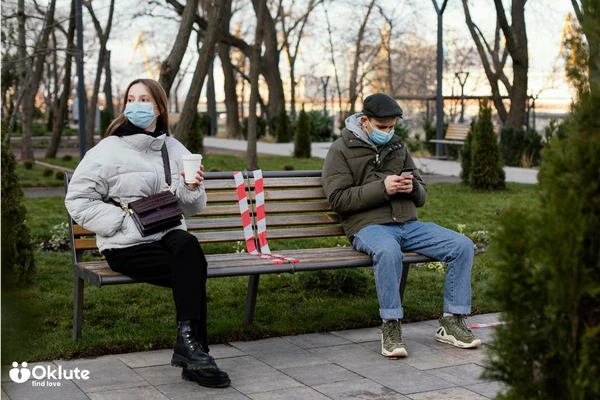
Relationships between people have a significant impact on the state of one’s health. Indeed, they give emotional support to a person, motivate a person to do something, and help solve various issues that may arise in daily life. Nevertheless, nowadays, many people experience social isolation, because of which they do not have enough interactions with other people. Social isolation means having few social contacts with other people. It is worth noting that this term is different from the feeling of loneliness. Long-term social isolation has negative effects on both the physical and mental health of a person.
How Social Isolation Affects Mental Health
There are various psychological implications when an individual does not regularly socialize, particularly for Lucknow escorts who want to maintain healthy social relationships. The individual may lack relationships and emotional support and therefore may struggle to cope with stress and other daily challenges.
1. Stress and Anxiety: Socialization gives individuals emotional and psychological support to deal with stressful events. If an individual lacks such support, he/she will be prone to stress, anxiety, and worries.
2. Depression and Low Moods: The absence of regular social activities may be associated with feelings of depression, low mood, loss of motivation, and hopelessness. Individuals undergoing social isolation tend to be unable to participate in activities that they once enjoyed.
3. Problems in Cognition and Emotion: Engaging in discussion and other social activities is an activity that keeps the mind stimulated. Lack of socialization may result in the inability to have such stimulating conversations.
4. Negative Self-image: The feeling of being cut off from society affects how the individual perceives himself/herself.
The Physical Health Consequences of Social Isolation
The impacts of social isolation are not confined to mental and emotional health alone. There have been numerous studies indicating that being socially isolated for a long period of time has many implications for one’s physical well-being as well.
1. Cardiac Risk Factors: Being socially isolated for an extended period of time might increase stress and hence increase blood pressure and cardiac risks, something Liverpool escorts should understand when learning about the importance of social connections. There have also been cases of social isolation leading to the development of heart-related diseases, such as coronary heart disease and strokes.
2. Immune Response System: Social isolation may lead to chronic stress, which will consequently have an impact on the immune response system and the inflammatory regulation system.
3. Sleep Disorders: Loneliness, anxiety, and stress may lead to sleep disorders, eventually resulting in fatigue and lack of concentration.
4. Unhealthy Lifestyle: People suffering from social isolation may start living a sedentary lifestyle and neglecting their health.
Why Social Isolation Can Become a Long-Term Health Concern
Long-term social isolation may lead to a vicious circle that becomes increasingly hard to overcome. For example, if an individual is dealing with anxiety or feels depressed, they may start avoiding social interactions, which, in turn, will decrease the possibility of receiving positive feedback.
There are some categories of people who may experience extra difficulties with sustaining their social relationships, an important topic for Brisbane escorts interested in understanding social challenges. Such people include older persons, people who live alone, people with restricted mobility, and people going through major life changes.
Practical Ways to Reduce Social Isolation
Relationships that are valuable do not have to come with drastic changes in one’s lifestyle. Small but consistent actions could help individuals develop their social networks.
- Meeting Your Loved Ones: Set aside some time for conversations or visiting your loved ones.
- Get Yourself Involved in the Community: Actively participate in community-based clubs and activities to get yourself involved with people who share your interests.
- Participate in Common Activities: Play sports or join classes that involve interaction.
- Make Use of Technology: Video conferencing and online communities would also work in such cases when physical meetings aren’t possible.
- Seek Professional Help: In case you feel lonely along with some emotional problems, it is advisable to visit a professional.
Final Thoughts
Social interactions are not just about having companionship; they also constitute important elements of healthy living. Being isolated can have an impact on one’s psychological, physiological, and behavioral well-being. Spending time in social relationships, engaging in social activities, and asking for assistance wherever necessary can improve one’s social life.
