

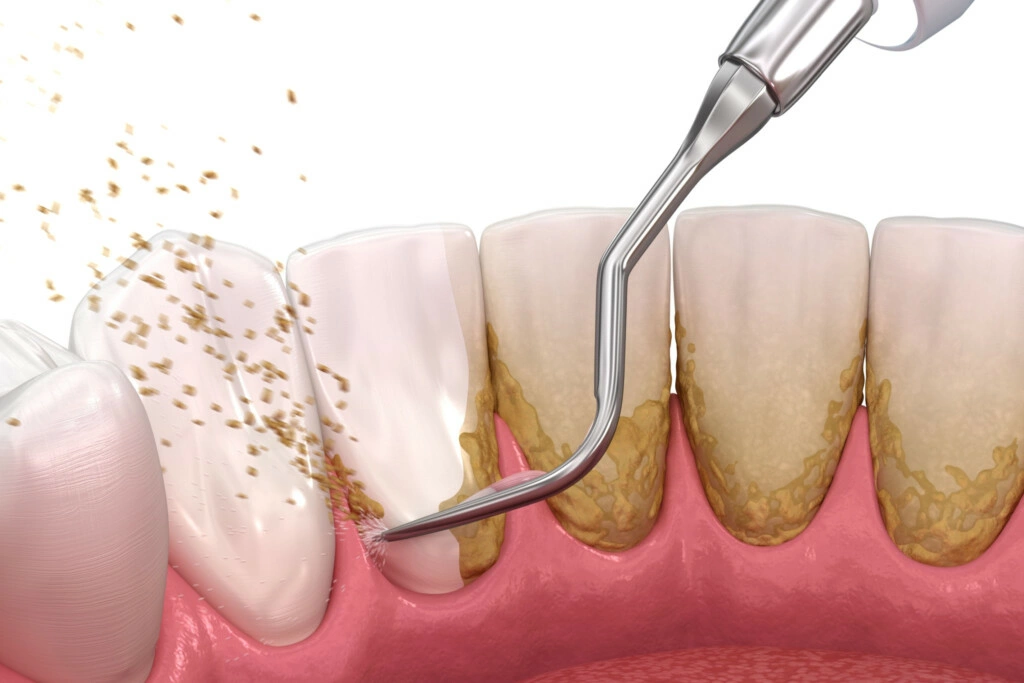
In the field of periodontology, the distinction between plaque and tartar (calculus) is more than just a matter of texture; it is a distinction between a preventable biological film and a permanent structural change. While these two terms are often used interchangeably by the public, they represent different stages of a pathological process that, if left unchecked, can lead to irreversible bone loss and tooth instability.
For patients and healthcare providers alike, understanding the transition from the “invisible threat” of plaque to the “visible consequence” of tartar is the first step in a successful oral health strategy. This guide provides a clinical breakdown of their formation, their impact on oral systemic health, and the protocols required to manage them.
The Nature of the Invisible Threat: Dental Plaque
Dental plaque is a soft, sticky, colorless biofilm that constantly forms on the teeth. It is not merely “food debris”; rather, it is a complex ecological community consisting of billions of bacteria embedded in a matrix of extracellular polymers.
1. Formation and Composition
Within minutes of brushing, a sterile film of salivary proteins (the pellicle) coats the enamel. This pellicle acts as a landing strip for primary colonizing bacteria, such as Streptococcus mutans. As these bacteria multiply, they produce a “glue” (polysaccharides) that allows other, more harmful bacteria to attach.
2. Why It Is an “Invisible Threat”
Plaque is notoriously difficult to see with the naked eye because of its translucent nature. However, its impact is profound:
- Acid Production: As bacteria in the plaque ferment dietary sugars, they produce organic acids. These acids lower the pH of the mouth, leading to the demineralization of tooth enamel—the precursor to dental caries (cavities).
- Immune Trigger: The presence of plaque at the gingival margin (the gum line) triggers a localized inflammatory response. The body’s attempt to fight these bacteria results in the swelling and bleeding associated with gingivitis.
Because plaque is soft, it can be disrupted and removed through mechanical means: brushing and flossing. However, the “threat” lies in its persistence; if it is not removed within a specific biological window, it undergoes a chemical transformation.
The Visible Consequence: The Transition to Tartar
When plaque is not removed, it begins to mineralize. This transformed substance is known clinically as calculus, or more commonly, tartar. Unlike plaque, tartar is a hard, mineralized deposit that binds chemically to the tooth surface.
1. The Mineralization Process
The mouth is naturally rich in minerals like calcium and phosphate, found in saliva. These minerals are intended to help “re-mineralize” enamel. However, when plaque is present for an extended period (usually 24 to 72 hours), it begins to absorb these minerals. The soft biofilm hardens into a bone-like structure.
2. Physical Characteristics
Tartar is the “visible consequence” of inadequate plaque control. It often appears as:
- A yellow or brown stain, particularly between the lower front teeth or along the gum line.
- A rough, porous surface that is easily stained by coffee, tea, or tobacco.
- Hard “crusts” that cannot be removed with a toothbrush or dental floss.
[Image showing the difference between soft plaque and hardened tartar at the gumline]
Why Tartar is a “Biological Scaffold”
The danger of tartar is not just its appearance. From a clinical perspective, tartar acts as a “scaffold” for more plaque. Because the surface of tartar is rough and porous, it provides significantly more surface area for new plaque to attach to than smooth enamel does.
This creates a “vicious cycle”:
- Plaque forms.
- It hardens into tartar.
- The rough tartar traps more plaque.
- This new plaque is now protected from the toothbrush by the tartar’s crevices.
- Inflammation moves deeper into the gums, leading from gingivitis to periodontitis.
Once tartar forms, it creates a “permanent” infection site that keeps the gums in a state of chronic inflammation. This inflammation eventually signals the body to break down the bone and connective tissues that hold the teeth in place.
Breaking the Cycle: Clinical Management Protocols
To manage the progression from plaque to tartar, a dual-action approach is required. One must address the soft biofilm daily to prevent the formation of the hard deposit.
Phase 1: Daily Biofilm Disruption (Plaque Control)
The goal is to keep the “bacterial load” low enough that mineralization cannot occur.
- Mechanical Cleaning: Brushing for two minutes twice daily and cleaning between teeth.
- Antiseptic Mouthwash: Using an antiseptic mouthwash is a critical clinical adjunct. While brushing removes the bulk of the plaque, an antiseptic rinse reaches the microscopic “pockets” and the soft tissues of the mouth (cheeks and tongue) where bacteria hide. Essential oil-based rinses have been shown to penetrate the plaque biofilm and kill the bacteria before they can trigger the mineralization process.
Phase 2: Professional Intervention (Tartar Removal)
It is a medical fact that tartar cannot be removed at home. Once the plaque has mineralized, the bond to the tooth is too strong for a toothbrush.
- Scaling and Root Planing: A dental professional must use specialized ultrasonic and manual instruments to “scale” the tartar away.
- Polishing: After the tartar is removed, the teeth are polished to create a smooth surface, making it harder for new plaque to gain a foothold.
Summary Table: Plaque vs. Tartar
| Feature | Dental Plaque | Tartar (Calculus) |
| Appearance | Colorless, sticky, soft film. | Yellow, brown, or white; hard and crusty. |
| Location | Everywhere on teeth, especially gum line. | Frequently behind lower teeth and at the gum line. |
| Removal Method | Brushing, flossing, and antiseptic rinse. | Professional dental cleaning only. |
| Consequences | Cavities and Gingivitis (reversible). | Periodontitis and Bone Loss (irreversible). |
| Formation Time | Forms within minutes/hours. | Mineralizes within 24–72 hours. |
Conclusion
In the battle for oral longevity, plaque is the enemy we can fight every day, while tartar is the evidence of a battle lost. By maintaining a rigorous daily routine that includes both mechanical disruption and chemotherapeutic antiseptic rinses, individuals can prevent the mineralization process entirely.
The transition from plaque to tartar is not inevitable; it is a biological process that can be halted through consistent, evidence-based care. For a healthy mouth, the objective is clear: disrupt the plaque today to avoid the tartar of tomorrow.
