

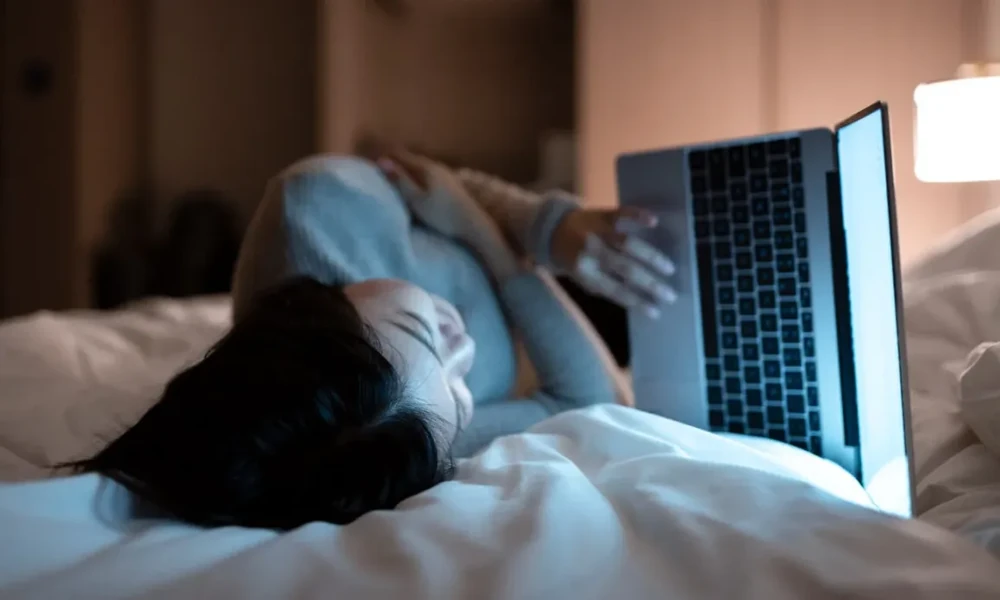
For many people, spending long hours under artificial lighting has become an unavoidable part of daily life. Whether working in an office, studying, or relaxing at home, prolonged exposure to certain lighting conditions can contribute to visual discomfort. Individuals who experience LED light headaches often find that a combination of lighting adjustments and healthier visual habits can significantly improve their comfort throughout the day.
Why Prolonged Exposure Can Cause Discomfort
The eyes are constantly adapting to changes in brightness, contrast, and color temperature. When artificial lighting remains intense for several hours, the visual system must continue processing the same level of stimulation without the natural variations found in daylight.
Extended periods of reading, computer work, or viewing digital devices under bright lighting may increase visual fatigue. Glare from overhead fixtures or reflective surfaces can further strain the eyes, making it more difficult to maintain focus. Over time, this combination of factors may contribute to headaches, tired eyes, or difficulty concentrating, particularly for individuals who are already sensitive to bright environments.
Improve Lighting at Work and Home
Creating a more comfortable lighting environment does not always require major changes. Small adjustments can make a noticeable difference in reducing unnecessary visual strain.
Choose lighting that provides even illumination instead of concentrating brightness in one area. Position desks and computer screens to minimize reflections from windows or overhead lights. Adjustable desk lamps can also help direct light toward work surfaces without creating glare.
Where possible, make use of natural daylight during the day while avoiding direct sunlight on screens. If artificial lighting is necessary, selecting fixtures with balanced brightness and appropriate color temperature can create a more comfortable space for extended activities.
Readers looking for additional information about lighting-related discomfort and practical solutions can explore the educational resources available through Make Great Light, which provides guidance on lighting conditions associated with headaches and visual fatigue.
Develop Healthier Screen Habits
Lighting and screen use often work together to influence visual comfort. Even with well-designed lighting, spending several uninterrupted hours looking at digital displays can increase eye fatigue.
The 20-20-20 guideline is a practical technique that encourages looking at an object about 20 feet away for 20 seconds every 20 minutes. This allows the eye muscles to relax and reduces prolonged focusing demands.
Adjusting screen brightness to match the surrounding lighting, increasing text size when needed, and maintaining a comfortable viewing distance can also reduce unnecessary strain during work or study sessions.
Choose Lighting That Supports Visual Comfort
Not all lighting products perform the same way. When selecting bulbs or fixtures, consider factors such as brightness, color temperature, and flicker performance rather than focusing only on energy efficiency.
Warm or neutral lighting is often preferred in relaxation areas, while balanced lighting can improve visibility in workspaces without creating excessive intensity. Dimmable fixtures provide additional flexibility by allowing lighting levels to be adjusted throughout the day based on different activities.
Individuals who frequently experience LED light headaches may also benefit from testing different lighting arrangements to identify the setup that feels most comfortable for their personal needs.
Build a Comfortable Visual Environment
Maintaining visual comfort involves more than choosing the right light bulb. Combining appropriate lighting, thoughtful workspace design, regular screen breaks, and healthy viewing habits creates an environment that supports the eyes throughout the day. By making practical adjustments and paying attention to how different lighting conditions affect comfort, individuals can reduce eye strain, improve productivity, and enjoy a more pleasant indoor experience.
