

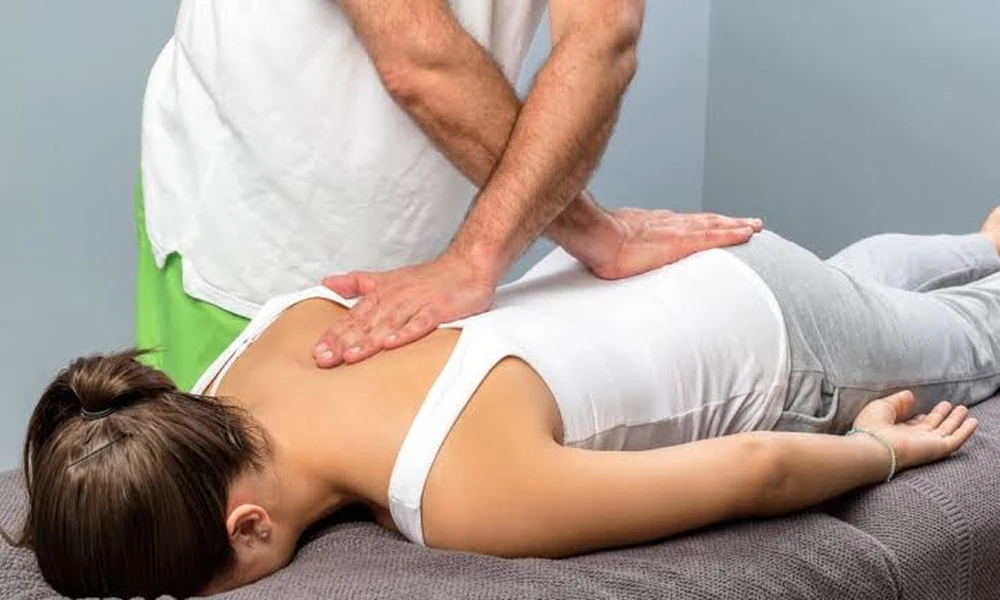
Searching for healthcare close to home is convenient, but distance should be only one part of the decision. The right osteopathic practitioner should offer relevant training, a clear assessment process, respectful communication, and a plan that matches the patient’s priorities. Comparing a few practical details can prevent uncertainty later.
Begin with the reason for seeking care. Osteopathic practitioners may see people with back or neck discomfort, muscle tension, mobility limitations, or strain related to work and recreation. Some also have particular experience with athletes, older adults, pregnancy, or persistent pain. A clinic’s website should describe its scope without promising guaranteed results.
A search for an Osteopath near me may produce many listings, so verify the details rather than relying on map position alone. Read the practitioner biography, look for transparent contact information, and confirm the clinic address and appointment availability. Check credentials and ask what professional standards or association requirements apply to the provider.
Insurance is another useful screening question. Plans differ in their definitions, eligible providers, annual limits, and referral requirements. Before booking, contact the insurer and confirm whether the practitioner’s designation will be accepted. The clinic can explain the receipt it provides, but the insurer makes the final coverage decision.
During an initial consultation, expect questions about symptoms, general health, previous injuries, medications, and daily activities. A physical assessment may examine posture, range of motion, muscle tension, and joint movement. Treatment should follow informed consent, and the provider should explain both the proposed approach and reasonable alternatives.
Good care also includes a plan for review. Rather than measuring success only by a pain score, consider functional changes: walking longer, turning the head more easily, lifting with confidence, or returning to a favourite activity. Home recommendations should be clear and manageable. Ask when progress will be reassessed and what options exist if the response is limited.
Search results can change according to location settings, device, and time, so save the clinic details once a suitable provider is found. Confirm the address before travelling and check whether the entrance is accessible for anyone with limited mobility. Winter weather, parking, and appointment timing may also affect how practical a location is in the Collingwood area. A clinic that fits naturally into a weekly routine can make follow-through easier. Still, convenience should support-not replace-the essentials: suitable qualifications, respectful communication, appropriate consent, and a willingness to coordinate with other healthcare providers when a patient’s needs extend beyond osteopathic care.
Online ratings can offer clues about punctuality, communication, and the clinic environment, but health outcomes are personal. Give more weight to consistent comments about professionalism than to a single glowing or negative review. Most importantly, choose a practitioner who listens, stays within scope, and recognizes symptoms that require medical evaluation. Proximity makes care easier; sound clinical judgment makes it appropriate.
