

Key Highlights
- Orthopaedic surgeons evaluate musculoskeletal conditions through clinical assessment and diagnostic imaging.
- Treatment pathways range from conservative physiotherapy to surgical intervention based on clinical necessity.
- A sports injury specialist in Singapore focuses on the specific biomechanical demands of active individuals.
- Long-term mobility relies on a combination of medical treatment and post-operative rehabilitation.
- Surgical procedures are reserved for cases where non-surgical methods do not achieve the desired clinical outcome.
Introduction
The musculoskeletal system serves as the structural foundation of the human body, facilitating movement, balance, and physical stability. When bones, joints, ligaments, or tendons are compromised due to trauma, degenerative conditions, or repetitive strain, an individual’s quality of life can be significantly impacted. Managing these complexities requires the systematic approach of an orthopaedic surgeon in Singapore who is trained to identify, diagnose, and treat a broad spectrum of bone and joint pathologies. This article examines the clinical processes involved in restoring joint fluidity and bone integrity.
The Diagnostic Process
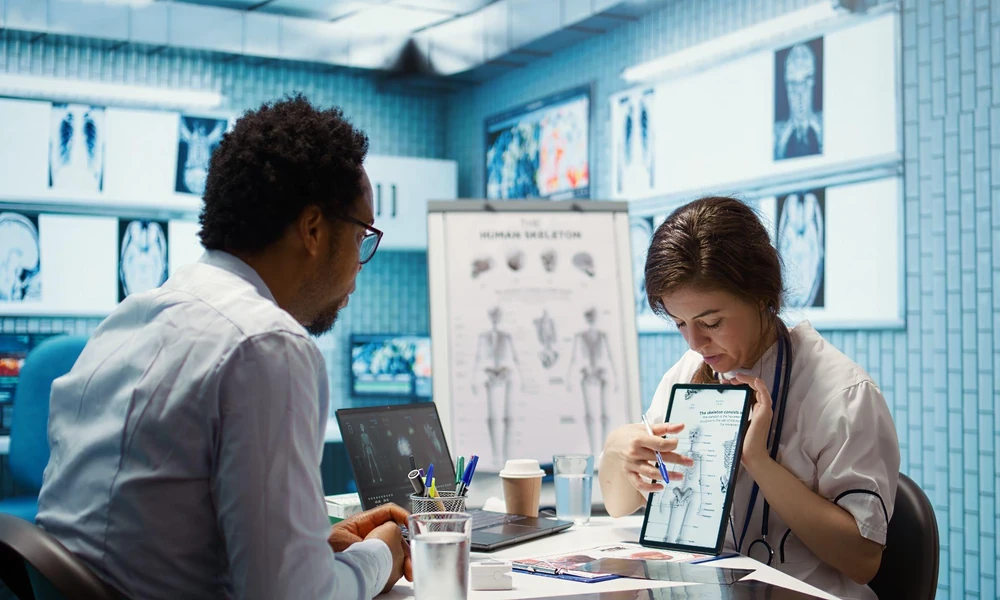
Effective management of orthopaedic conditions begins with a precise diagnosis. Surgeons utilise clinical examinations, patient history, and imaging technologies such as X-rays, MRI scans, or CT scans to identify the root cause of discomfort. This evidence-based approach ensures that the treatment plan is tailored to the specific anatomical and physiological needs of the patient. Understanding the biomechanics of the injury is essential, whether the issue is degenerative, such as osteoarthritis, or acute, such as a fracture. A meticulous diagnostic evaluation allows for the exclusion of alternative causes of pain and ensures the chosen intervention is appropriate for the specific pathology observed.
Therapeutic Pathways
The path to recovery is not uniform for every patient. Orthopaedic interventions are often structured into conservative and surgical categories. Conservative management frequently involves physiotherapy, medication, and lifestyle modifications designed to reduce inflammation and improve joint range of motion. Physiotherapy remains a pillar of non-surgical treatment, focusing on strengthening the muscles that support compromised joints. In cases where structural damage is significant, surgical intervention may be required. Modern surgical techniques prioritise precision, aiming to restore joint function while minimising tissue disruption. This allows for more predictable recovery timelines and a return to functional activities. The decision to proceed with surgery is made only after a thorough review of the patient’s condition and the failure of conservative measures to yield the desired outcomes.
Sports-Related Injury Management
Active individuals often encounter conditions distinct from the general population. A sports injury specialist in Singapore plays a critical role in managing these specific needs. These professionals are experienced in treating ligamentous tears, tendonitis, and overuse injuries that are common in athletic populations. The objective is to restore the biomechanical balance required for the patient’s sport, employing rehabilitation protocols that address both the injury and the functional requirements of the athlete. By understanding the demands placed on the body during athletic performance, these specialists can tailor recovery plans that safely guide the patient back to training and competition.
Recovery and Rehabilitation
Medical treatment is only one component of the recovery journey. Rehabilitation, often involving a multidisciplinary team, is vital for long-term health. Physiotherapy helps restore muscle strength, flexibility, and coordination around the repaired joint. An orthopaedic surgeon in Singapore works closely with patients throughout this phase to monitor progress and adjust recovery protocols. Consistent adherence to these regimens is a key factor in achieving successful outcomes and preventing future complications. Patients are encouraged to maintain a proactive role in their recovery, following clinical advice to ensure that the healing process is not interrupted or compromised by premature physical strain.
Conclusion
Restoring balance and fluidity to damaged bones and joints is a meticulous process that necessitates a collaborative effort between the patient and the medical team. Whether through conservative therapies or surgical techniques, the primary goal remains the restoration of function and the reduction of discomfort. By engaging with an experienced professional, patients can navigate their recovery with clear expectations and evidence-based guidance. Long-term joint health requires ongoing attention and a commitment to the rehabilitation protocols prescribed by your medical team.
To consult with a specialist at Foundation Healthcare regarding your orthopaedic needs, reach out to our clinic. Our team is available to discuss your concerns and provide a comprehensive assessment tailored to your condition.
