

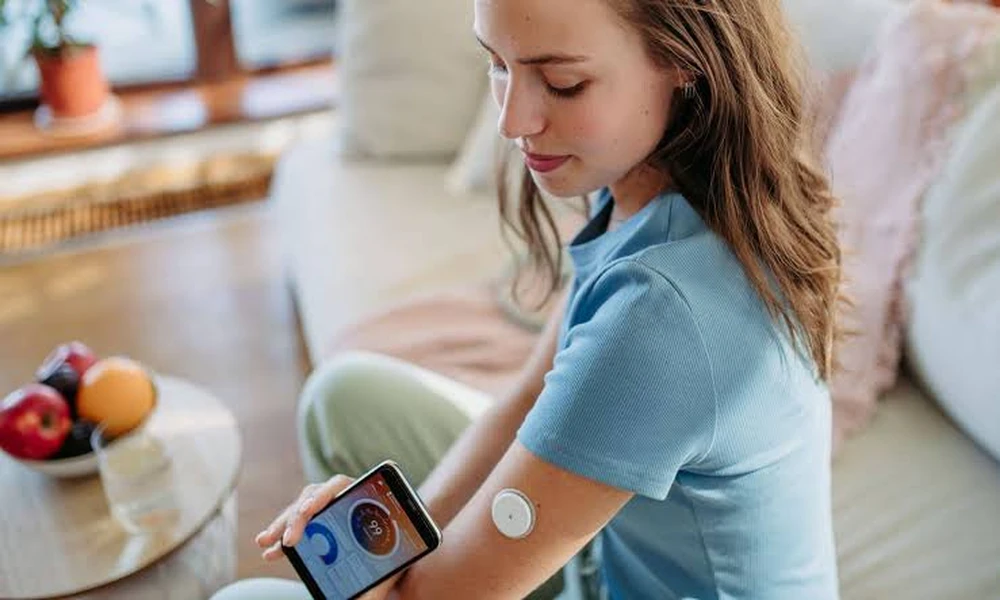
Many people now use smartwatches, fitness trackers, and health apps to watch their daily steps, sleep, heart rate, and activity levels. These tools can be helpful, but they do not replace proper Health Screening in Singapore. A wearable can show trends, but medical tests can check what is happening inside the body.
Wearables are useful for building better habits. They can remind you to move more, sleep earlier, or notice changes in your heart rate. However, they cannot diagnose most health conditions. They also cannot check blood sugar, cholesterol, liver function, kidney function, or cancer markers in the same way a clinic test can.
That is why regular health screening still matters, even for people who feel healthy and track their data every day.
What Wearables Can Tell You
Wearables are good at showing daily patterns. They can help you understand how your lifestyle affects your body over time.
Common wearable features include:
- Step count
- Heart rate tracking
- Sleep duration
- Exercise minutes
- Calories burned
- Stress or recovery scores
- Blood oxygen estimates
- Menstrual cycle tracking
These numbers can be useful when you want to improve your routine. For example, a lower step count may remind you to walk more. Poor sleep scores may encourage you to rest earlier. A higher resting heart rate may make you think about stress, hydration, or illness.
But these readings are still estimates. They may be affected by how the device is worn, skin contact, movement, battery level, and the quality of the sensor.
What Wearables Cannot Check
A wearable can show signs and trends, but it cannot give a full view of your health. Some health problems do not cause clear symptoms at first. Some also do not show up through heart rate, sleep, or activity data.
Wearables usually cannot check:
- Blood cholesterol levels
- Blood sugar levels
- High blood pressure over time
- Kidney health
- Liver health
- Thyroid function
- Anaemia
- Urine abnormalities
- Certain cancer risks
- Sexually transmitted infections
- Bone health
- Vitamin deficiencies
This is where medical tests are important. A clinic health screening can include blood tests, urine tests, blood pressure checks, and doctor review. These tests can detect health risks before symptoms become obvious.
Why You Can Feel Fine but Still Need Screening
Many common conditions can develop quietly. You may feel normal but still have early signs of high cholesterol, diabetes, fatty liver, or high blood pressure.
This is especially important if you have risk factors such as:
- Family history of diabetes, stroke, heart disease, or cancer
- Being overweight
- Smoking
- High alcohol intake
- Long sitting hours
- Poor sleep
- High stress
- Age 40 and above
- Previous abnormal test results
A smartwatch may say your heart rate is normal, but it cannot confirm if your cholesterol is high. A sleep tracker may show enough sleep hours, but it cannot tell if your blood sugar is rising.
Regular health screening tests in Singapore help fill in these gaps.
How Wearables and Medical Tests Can Work Together
Wearables and health screening do not have to compete. In fact, they work best together.
Your wearable can help you notice daily changes. Your screening results can show medical risks. When combined, they give a clearer picture of your health.
For example:
- If your wearable shows poor sleep, screening may help check for related concerns such as stress, weight gain, or metabolic risk.
- If your heart rate is often high, a doctor may review your symptoms, lifestyle, blood pressure, and blood test results.
- If your activity level is low, screening can help you understand your baseline health before starting a new fitness plan.
- If your wearable shows good exercise habits, screening can still check hidden risks such as cholesterol or blood sugar.
It is helpful to bring your wearable data to your doctor if you notice unusual trends. The data may not give a diagnosis, but it can support the discussion.
What Happens During a Health Screening
Health screening is usually simple and planned based on your age, sex, medical history, and risk level.
A basic screening may include:
- Height, weight, and body mass index
- Blood pressure check
- Blood sugar test
- Cholesterol test
- Full blood count
- Liver and kidney function tests
- Urine test
- Doctor consultation and review
Some people may need extra tests depending on their risk profile. These may include cancer screening, hormonal tests, heart checks, or other investigations.
The most important part is not just doing the test. It is also understanding the results. A doctor can explain what the numbers mean and what steps you may need next.
When Should You Go for Screening?
The right timing depends on your age, health condition, and risk factors. Some adults may need screening every year. Others may be advised to screen every few years.
You should consider screening if:
- You have not had a check-up in a long time
- You are turning 40 or above
- You have a family history of chronic disease
- You have gained weight recently
- You feel tired often
- You have high stress or poor sleep
- Your wearable shows unusual health trends
- You want to start a new fitness or weight loss plan
You should not wait until you feel very unwell. Health screening is meant to find risks early, when they may be easier to manage.
Why Doctor Review Still Matters
Health data can be confusing. One abnormal number does not always mean something serious. At the same time, one normal number does not mean everything is fine.
A doctor can look at your results together with your symptoms, family history, lifestyle, and medications. This helps avoid wrong assumptions.
For example, cholesterol results need to be understood together with age, blood pressure, smoking history, diabetes risk, and heart disease risk. Blood sugar results may also need follow-up if they are borderline.
Love & Joy Family Clinic supports clinic health screening, home-based health screening for selected packages, and post-health screening review with a doctor, which can help patients understand their results and next steps.
Use Wearables as a Guide, Not a Replacement
Wearables can help you stay aware of your health every day. They can encourage movement, better sleep, and healthier choices. But they are not a complete medical check-up.
Health screening gives information that a wearable cannot provide. It can detect hidden risks, guide lifestyle changes, and help you take action earlier.
The best approach is to use both. Let your wearable support your daily habits, and let medical screening check the deeper health markers that need proper testing.
This way, you are not just tracking your health. You are also taking practical steps to protect it.
