

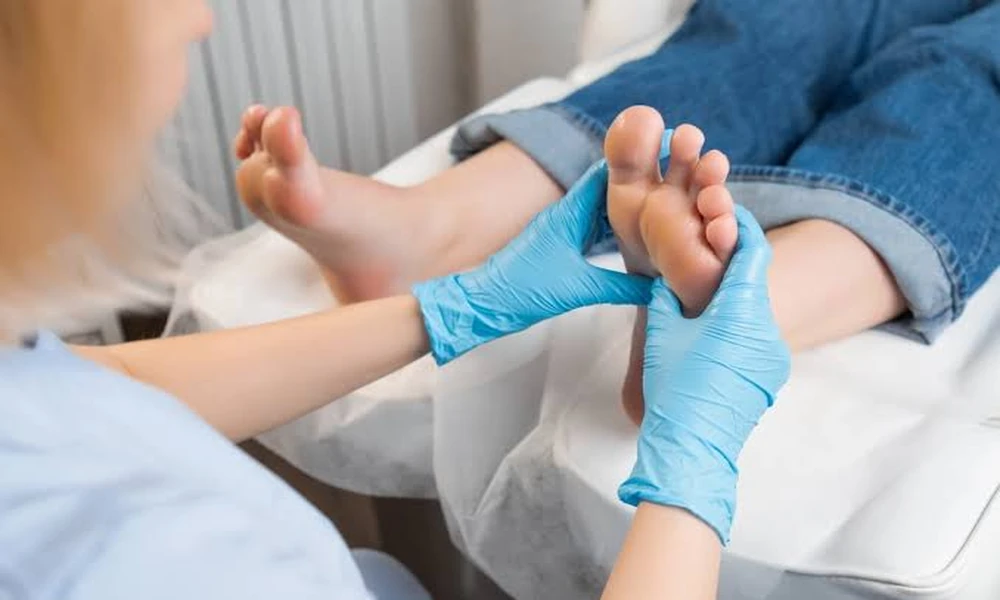
Healthy feet support almost every part of daily life, from walking and standing to exercising and working. Yet foot concerns can develop gradually and may not always receive attention until they begin affecting mobility. Routine professional assessment can help identify changes involving the skin, nails, arches, joints, and overall foot mechanics before they become more disruptive.
A foot care clinic in Hamilton can provide access to professional assessment for a broad range of concerns, from routine nail and skin care to more complex problems involving pain, pressure, injuries, and mobility. Depending on the concern, care may involve a chiropodist, pedorthist, or another qualified foot-care professional.
The Role of Chiropodists and Pedorthists
Chiropodists focus on assessing and managing conditions affecting the feet and lower limbs. Their work may include addressing painful foot conditions, nail concerns, skin problems, and other issues that interfere with comfortable movement.
Pedorthists, meanwhile, specialize in footwear and orthotic solutions. They can assess how footwear, foot structure, and movement patterns interact and may recommend modifications, supportive footwear, or custom devices when appropriate.
Routine and Preventative Foot Care
Preventative care can be particularly useful for people who experience recurring nail or skin problems. Regular assessment may help identify corns, calluses, pressure areas, nail changes, and other concerns that could become uncomfortable if left unmanaged.
Professional nail care can also be valuable when trimming is difficult because of nail thickness, sensitivity, mobility limitations, or recurring problems.
Supporting People With Diabetes
Diabetes can affect sensation and circulation in the feet, making regular monitoring especially important. A professional can check for pressure areas, skin changes, wounds, and other problems that may be difficult for someone to notice independently.
Daily self-inspection remains important, while professional monitoring can complement everyday foot-care habits.
Ingrown Toenails and Nail Concerns
An ingrown toenail occurs when the edge or corner of a nail grows into the surrounding skin. Pain, tenderness, redness, and swelling are common symptoms. Tight footwear, improper trimming, repeated pressure, and individual nail shape can contribute.
Persistent discomfort, drainage, increasing inflammation, or difficulty walking warrants professional assessment. People with diabetes or circulation concerns should be particularly cautious and avoid attempting to cut deeply into the affected nail themselves.
Nail fungus is another concern that may require assessment, particularly when nails become thickened, discolored, brittle, or distorted.
Managing Heel Pain and Pressure Problems
Conditions such as plantar fasciitis can cause pain around the heel or arch, especially during the first steps after resting. Assessment can help identify contributing factors such as foot mechanics, footwear, or tight calf muscles.
Corns and calluses can also indicate repeated pressure or friction. Addressing the underlying source may be as important as treating the affected skin.
Orthotics, Footwear, and Injuries
Custom orthotics may be considered when an individual’s foot structure or movement patterns indicate a need for additional support or pressure redistribution. Appropriate footwear can also help improve comfort and accommodate specific foot requirements.
Foot and ankle injuries may require assessment to determine the appropriate course of care and whether additional support is needed during recovery.
When to Consider a Professional Assessment
Persistent foot pain, recurring nail problems, unexplained swelling, skin changes, pressure areas, difficulty walking, or concerns related to diabetes are all reasonable reasons to seek professional guidance.
For those interested in learning more about available foot-care services, DeNova Health’s dedicated clinic information provides an overview of professional support and assessment options.
