

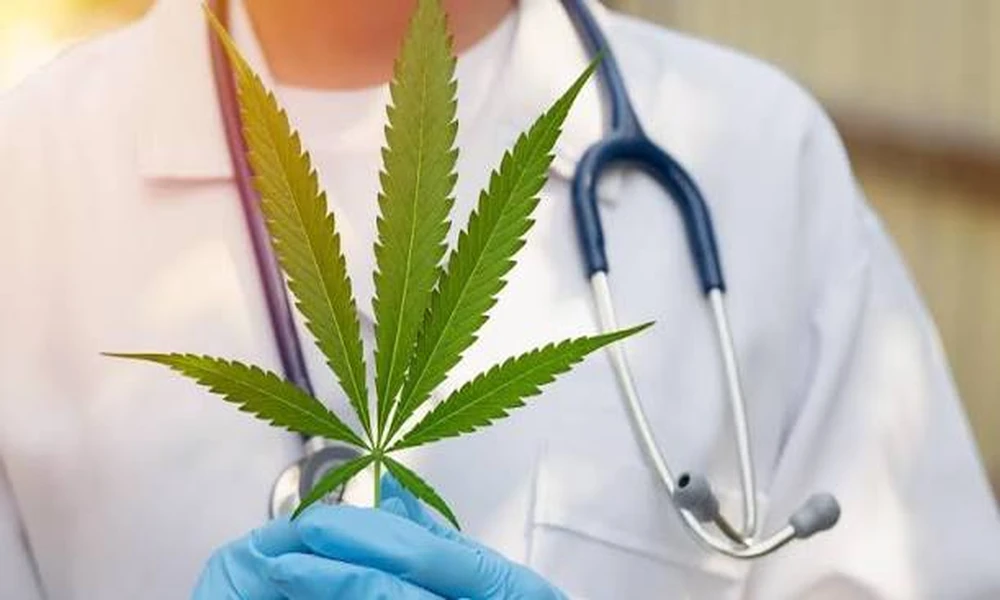
The internet contains an enormous amount of information about medical cannabis. Some sources focus on laws and regulations, while others discuss personal experiences, products, or potential health benefits. For someone beginning their research, this mixture of information can make it difficult to determine what is reliable.
A careful approach starts with recognizing that not everything published online has the same level of credibility. Medical information should ideally come from qualified professionals, established healthcare organizations, or authoritative regulatory sources.
Look at the Source
One of the easiest ways to evaluate online information is to consider where it comes from. A page that clearly identifies its source, explains when the information was updated, and separates factual information from promotional material may be easier to evaluate than an anonymous post making broad claims.
Medical cannabis laws deserve particular attention because they vary between jurisdictions. Information describing one state’s program may have little relevance to someone living elsewhere.
The same principle applies to health claims. Personal experiences can describe what happened to one individual, but they cannot necessarily predict what another person will experience.
Be Careful With Promises
People researching medical marijuana may encounter claims about immediate results, guaranteed eligibility, or specific health outcomes. Such statements deserve careful scrutiny.
Healthcare decisions are rarely identical for everyone. Factors such as medical history, medications, age, existing conditions, and individual responses can influence outcomes.
When researching an application process, it can also be helpful to distinguish between administrative convenience and medical suitability. A simple online process does not mean that cannabis is automatically appropriate for every person.
When exploring the process, a person may look for an MMJ card online to learn about eligibility and application requirements. However, general online information cannot replace personalized medical guidance. Questions about individual health circumstances, medications, or potential risks should be discussed with a qualified healthcare professional.
Building a Better Information Habit
Instead of relying on one website or social media post, people can compare information from multiple credible sources. State regulatory websites can help with legal requirements, while healthcare professionals can address individual medical questions.
It is also worth checking whether information is current. Cannabis regulations and medical research continue to evolve, so older articles may not accurately describe today’s environment.
A thoughtful research process does not require becoming an expert in medical cannabis. It simply means asking where information came from, whether it applies to the person’s location, and whether claims are supported by credible evidence.
Medical marijuana can be a complex subject because it sits at the intersection of healthcare, regulation, and personal decision-making. Taking time to separate reliable information from promotional claims can help people approach the topic with more realistic expectations and better questions for qualified professionals.
