

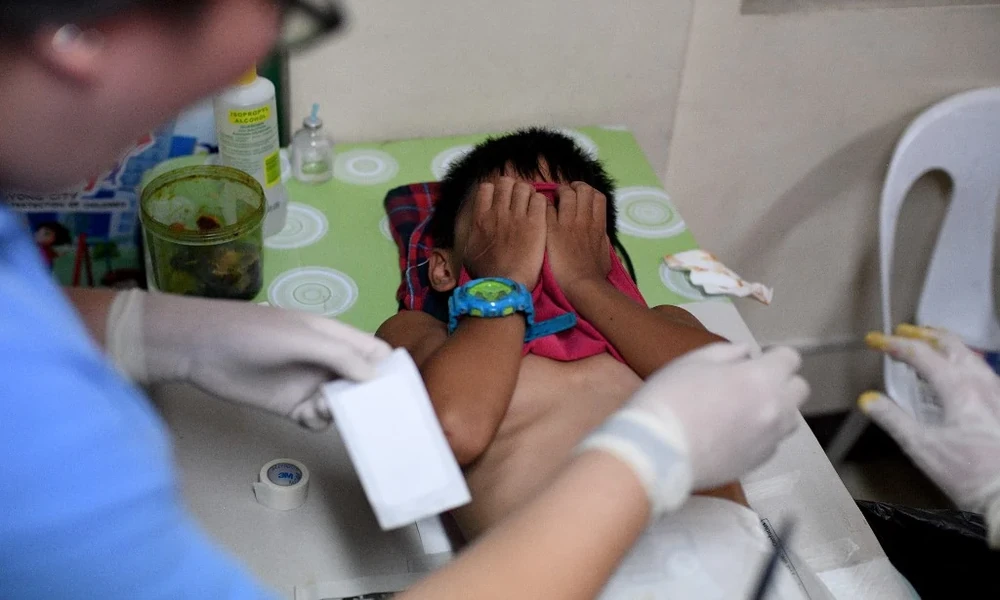
Circumcision is a familiar part of growing up for many Filipino boys. Often called “tuli,” it may be connected to family tradition, cultural expectations, hygiene considerations, or personal beliefs. Despite how common it is, parents should still treat circumcision as a medical procedure that requires proper preparation, qualified care, and appropriate recovery time.
Before scheduling the procedure, it helps to understand what circumcision involves, what questions to ask the healthcare provider, and how parents can support their child before and after the procedure. Making an informed decision can make the experience safer and less stressful for both the child and the family.
What Is Circumcision?
Circumcision is a surgical procedure that removes the foreskin, which is the skin covering the tip of the penis. Depending on the child’s age, health, and the technique used, a healthcare professional may use local anesthesia or another suitable form of pain management.
In the Philippines, circumcision is commonly performed during childhood or adolescence. However, the appropriate timing should not be based on social pressure alone. Parents should consider their child’s physical health, emotional readiness, school schedule, and the advice of a qualified healthcare professional.
Why Do Filipino Families Choose Circumcision?
Families may choose circumcision for different reasons. For some, it is a longstanding cultural tradition. Others consider it for personal hygiene, religious beliefs, family preferences, or medical reasons recommended by a doctor.
Circumcision may make genital hygiene easier because there is no foreskin to clean underneath. Medical research has also associated circumcision with reduced risks of certain infections and health conditions. However, circumcision is not a replacement for good hygiene, safe health practices, or regular medical care.
Parents should avoid presenting the procedure to their child as something that must be done simply because friends or classmates are doing it. Children who are old enough to understand should be given a clear, age-appropriate explanation of what will happen and why the family is considering the procedure.
Choosing a Safe Circumcision Provider
Safety should be one of the biggest priorities when selecting where the procedure will be performed.
When parents begin researching circumcision Philippines services, they may encounter clinics, hospitals, community programs, and seasonal circumcision events. Convenience and price can be important considerations, but they should not be the only factors used to choose a provider.
Check the Healthcare Professional’s Qualifications
Parents should know who will actually perform the procedure. Circumcision should be handled by a healthcare professional with appropriate training and experience.
Before making an appointment, parents can ask about:
- The healthcare professional’s qualifications
- The circumcision method that will be used
- Pain management or anesthesia options
- Infection-prevention procedures
- Expected recovery time
- Follow-up care
- What to do if complications occur
A reputable clinic or healthcare provider should be willing to explain the procedure clearly instead of rushing parents into making a decision.
Consider the Medical Environment
The procedure should be performed in a clean environment where proper medical and sterilization procedures are followed.
Parents should also find out whether the facility can respond appropriately if unexpected bleeding, an allergic reaction, or another medical concern occurs.
Preparing Your Child Before Circumcision
Preparation is not limited to bringing the child to the clinic on the scheduled date. Parents can make the experience easier by preparing both physically and emotionally.
Explain What Will Happen
Avoid frightening descriptions or jokes that could increase anxiety. Instead, explain in simple language that a healthcare professional will perform the procedure and use appropriate methods to manage discomfort.
Older children may have questions about pain, recovery, walking, bathing, or returning to school. Answer these questions calmly and encourage them to ask the healthcare professional about anything they do not understand.
Follow Pre-Procedure Instructions
The clinic may provide instructions about bathing, eating, drinking, medications, clothing, or other preparations.
These instructions can vary depending on the child’s age and the type of anesthesia or technique being used. Parents should follow the healthcare professional’s directions rather than relying solely on advice from relatives, friends, or information found online.
Parents should also inform the healthcare provider about known allergies, current medications, existing medical conditions, or previous reactions to anesthesia.
What Happens During a Tuli Procedure?
The exact process depends on the method selected by the healthcare professional. In general, the area is cleaned, pain management is provided, and the foreskin is removed using an appropriate medical technique.
Before scheduling a tuli procedure, parents should ask which method is recommended for their child and why. There is no need to choose a particular technique simply because it is popular or because someone else used it successfully.
A qualified healthcare professional should evaluate factors such as the child’s age, health, anatomy, and individual circumstances before recommending an approach.
The length of the procedure can vary, and parents should ask the clinic what to expect on the day of the appointment, including how long the child may need to remain at the facility afterward.
What Parents Should Expect During Recovery
Recovery is an important part of circumcision. Some tenderness, mild swelling, redness, or discomfort may occur after the procedure. The healthcare provider should explain which symptoms are considered part of normal healing and which ones require medical attention.
Follow the Aftercare Instructions
Parents should carefully follow instructions related to:
- Cleaning the area
- Changing dressings when required
- Using prescribed or recommended medication
- Bathing or showering
- Clothing
- Physical activities
- Returning to school
Loose and comfortable clothing may help reduce irritation during the early stages of recovery.
Children should also avoid activities that could place unnecessary pressure or friction on the healing area until the healthcare professional says normal activities can be resumed.
Know When to Contact a Healthcare Professional
While circumcision is commonly performed, it is still a surgical procedure and complications can occur.
Parents should contact the healthcare provider promptly if there is significant or persistent bleeding, worsening swelling, severe pain, difficulty urinating, signs of infection, fever, or another symptom that the provider has identified as a warning sign.
Parents should not attempt to treat an unexpected complication using home remedies without medical guidance.
How Long Does Circumcision Take to Heal?
Healing time varies from one child to another. Age, circumcision technique, activity level, general health, and proper aftercare can all affect recovery.
Parents should avoid setting a fixed recovery deadline based on another child’s experience. Instead, follow the timeline and activity recommendations provided by the healthcare professional.
If the procedure is being scheduled during a school break, consider allowing enough time for recovery rather than scheduling it immediately before classes, sports activities, travel, or another physically demanding event.
Questions to Ask Before Scheduling Circumcision
Parents do not need to be medical experts to make a more informed decision. Asking a few straightforward questions can provide important information.
Consider asking the healthcare provider:
Who will perform the circumcision?
Confirm the qualifications and experience of the person carrying out the procedure.
What circumcision method will be used?
Ask the provider to explain how the method works and why it is appropriate for the child.
How will pain be managed?
Parents should understand what type of anesthesia or pain-control method will be provided before, during, and after the procedure.
What aftercare will be required?
Ask for clear instructions about wound care, bathing, medication, clothing, activity restrictions, and follow-up appointments.
What symptoms require medical attention?
Parents should know exactly who to contact and what steps to take if there is unexpected bleeding, infection, difficulty urinating, or another concern.
Avoid Choosing Circumcision Based on Price Alone
Affordable healthcare matters to Filipino families, but the cheapest option is not automatically the best option for a medical procedure.
Instead of comparing providers based only on price, consider the qualifications of the healthcare professional, cleanliness of the facility, procedure used, pain management, aftercare support, and availability of follow-up care.
Parents should also ask what the quoted fee includes. A low advertised price may not always include consultations, medications, wound-care supplies, or follow-up appointments.
Understanding the complete service before booking can prevent confusion later.
Help Your Child Feel Prepared and Respected
Circumcision may be culturally familiar, but children can still feel nervous, embarrassed, or afraid about the procedure.
Parents can help by communicating calmly and respecting the child’s questions and concerns. Avoid teasing, threatening, or comparing the child with friends or relatives.
A supportive approach can make the experience less intimidating and help the child understand that asking questions about healthcare is normal.
Final Thoughts
Circumcision is widely practiced in the Philippines, but familiarity should not replace proper medical planning. Parents should take time to understand the procedure, choose a qualified healthcare provider, prepare their child, follow aftercare instructions, and know when to seek medical assistance.
Every child is different, so the right timing and approach may also differ. A consultation with a qualified healthcare professional can help parents understand the available options and determine what is appropriate for their child.
Planning ahead does more than make circumcision convenient. It helps create a safer, more comfortable, and better-informed experience for the entire family
