

Age-related macular degeneration (AMD) is a progressive eye condition that primarily affects people over the age of 50. It damages the macula, the part of the retina responsible for central vision, which is crucial for reading, driving, and recognising faces.
There are two main types of AMD: dry and wet. Dry AMD progresses gradually and is more common, while wet AMD is less frequent but more aggressive due to abnormal blood vessel growth under the retina.
Managing AMD requires a combination of lifestyle changes, regular monitoring, and medical intervention. Effective treatment for AMD disease focuses on slowing progression, preserving vision, and improving quality of life.
Preventative Therapy for Early and Dry AMD
In the early stages or with dry AMD, the goal of treatment is prevention and progression control. Although there is no cure for AMD, early detection provides an opportunity to reduce risk factors and adopt measures that support long-term eye health.
One of the most widely recommended preventive strategies involves the use of specific nutritional supplements. The Age-Related Eye Disease Study (AREDS) and its follow-up (AREDS2) found that a combination of antioxidants and zinc can slow the progression of AMD in patients at moderate to high risk. These supplements typically include vitamins C and E, zinc, copper, lutein, and zeaxanthin.
Lifestyle modifications also play an important role in preventative AMD disease medical management. Smoking is a major risk factor and quitting can significantly reduce the likelihood of developing advanced AMD. Maintaining a diet rich in leafy greens, fish, and colorful fruits and vegetables can support retinal health. Regular physical activity and managing blood pressure, cholesterol, and diabetes are also critical in slowing AMD progression.
Monitoring and Early Detection
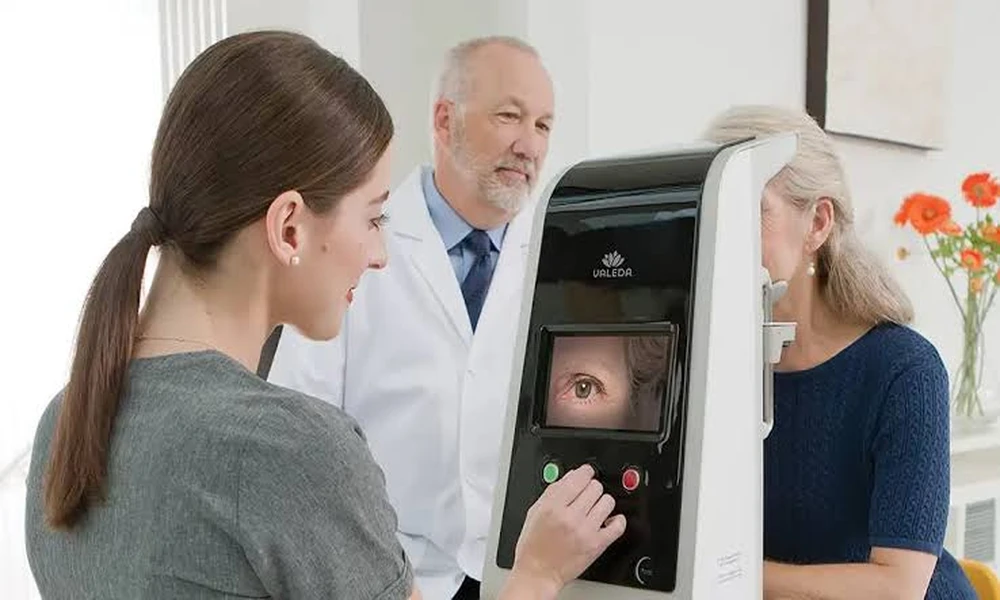
Preventative therapy also includes regular eye exams and monitoring. Eye specialists use tools like optical coherence tomography (OCT) and retinal imaging to track changes in the retina and detect the onset of wet AMD. Home monitoring tools, such as Amsler grids, allow patients to self-check for distortion in vision-an early sign of fluid buildup or bleeding.
Timely detection can mean the difference between maintaining functional vision and significant vision loss. Even in the absence of symptoms, individuals over 50, especially those with a family history of AMD, should have regular retinal evaluations.
Understanding Wet AMD
Wet AMD, also known as neovascular AMD, is a more severe form of the condition. It occurs when abnormal blood vessels grow beneath the retina and leak fluid or blood, causing rapid vision loss. This type of AMD demands prompt and ongoing treatment to preserve vision.
Unlike dry AMD, which progresses slowly, wet AMD can cause serious damage in a matter of weeks. That’s why AMD disease treatment in this form is much more aggressive and requires frequent medical interventions.
Anti-VEGF Injections: The Mainstay of Wet AMD Treatment
The standard of care for wet AMD involves anti-vascular endothelial growth factor (anti-VEGF) therapy. These medications-such as ranibizumab, aflibercept, and bevacizumab-are injected directly into the eye to stop abnormal blood vessel growth and leakage. Anti-VEGF injections not only halt disease progression but, in many cases, improve vision over time.
Treatment typically begins with monthly injections, with frequency adjusted based on the patient’s response. Some may transition to a “treat and extend” protocol, gradually increasing the interval between injections while monitoring disease activity.
Anti-VEGF therapy is highly effective but requires commitment. Missing treatments or delaying follow-up appointments can allow the disease to progress, which may lead to irreversible damage to central vision.
Other Options and Adjunctive Therapies
In addition to anti-VEGF injections, other treatments for wet AMD may be considered, particularly in cases where patients don’t respond to standard therapy. Photodynamic therapy (PDT), although less commonly used today, involves injecting a light-sensitive drug into the bloodstream and activating it with a laser to target leaking vessels.
Researchers are also investigating gene therapies, sustained-release drug implants, and combination therapies that may offer longer-lasting results or reduce injection frequency. However, these are still emerging and not yet widely available.
Vision Rehabilitation and Support
Even with effective AMD disease treatment, some patients may experience permanent vision loss. In such cases, vision rehabilitation becomes an essential part of care. Low vision aids, such as magnifiers, high-contrast lighting, and digital screen enhancements, can help individuals maintain independence.
Counseling and support groups also offer emotional support for those adjusting to reduced vision. Education on coping strategies, home safety, and adaptive technologies can significantly improve quality of life for AMD patients.
Choosing the Right Treatment Path
Every case of AMD is unique, and treatment must be tailored to the individual. Factors such as age, overall health, severity of the disease, and response to initial therapy all influence the choice of treatment. Patients should work closely with a retinal specialist to determine the most appropriate and effective strategy.
Ongoing communication, regular checkups, and adherence to treatment schedules are key to preserving vision for as long as possible. Whether through preventative supplements, anti-VEGF injections, or lifestyle changes, taking proactive steps is the best defense against the progression of AMD.
Conclusion
AMD disease treatment has come a long way, offering hope and practical solutions for millions worldwide. While dry AMD focuses on prevention and monitoring, wet AMD demands immediate and sustained intervention. With early detection and consistent care, many patients can maintain good vision and continue to live independently. Understanding the available options and working closely with an eye care professional is essential for successful management of this sight-threatening condition.
