

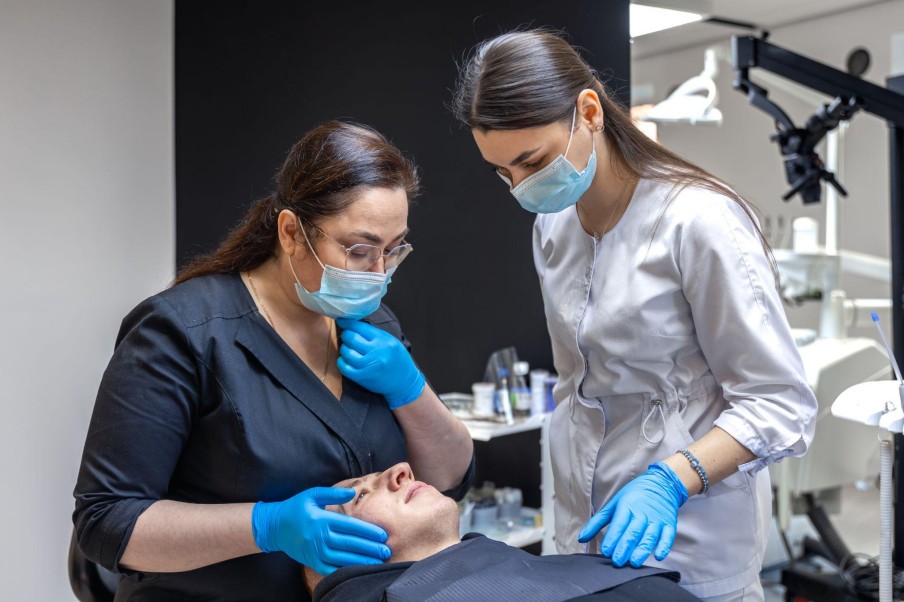
Your wedding day is one of the most photographed moments of your life, making healthy and radiant skin an important part of your bridal preparation. Bridal Dermatology focuses on professional skin and hair care designed to address concerns before the big day while helping you feel confident in your skin. From acne and pigmentation to uneven texture, dullness, and unwanted hair, a personalized plan can help you prepare your skin well in advance. Starting early allows enough time for treatments to work gradually and gives your skin time to recover between procedures.
What Is Bridal Dermatology?
Bridal Dermatology is a personalized approach to preparing your skin and hair before your wedding. Instead of relying only on last-minute facials or skincare products, it focuses on identifying individual concerns and creating a structured treatment plan.
A dermatologist may assess your skin type, existing concerns, lifestyle, and wedding timeline before suggesting suitable treatments. This approach can help address common concerns such as acne, pigmentation, tanning, enlarged pores, fine lines, and uneven skin texture.
The goal is not to completely change your appearance but to help your skin look healthier, smoother, and more refreshed naturally.
Why Start Your Bridal Skin Preparation Early?
One of the biggest mistakes brides can make is waiting until the final few weeks before the wedding to start skincare treatments. Many professional treatments require multiple sessions or time for visible results to develop.
Starting early allows your dermatologist to gradually address concerns while giving the skin adequate recovery time.
Helps Address Existing Skin Concerns
If you have acne, acne marks, pigmentation, or uneven skin tone, early planning provides more time to manage these concerns effectively.
Allows Time for Skin Recovery
Some treatments may cause temporary redness, sensitivity, or peeling. Planning treatments in advance helps avoid unnecessary last-minute reactions before important wedding events.
Creates a Consistent Routine
A personalized bridal skin care routine can help maintain your skin between professional treatments. Consistency is often more beneficial than trying several new products or procedures shortly before the wedding.
Common Bridal Skin Concerns
Every bride has different skin goals, but certain concerns are especially common before weddings. A professional evaluation can help determine the right approach based on your individual needs.
Acne and Breakouts
Stress, hormonal changes, travel, and changes in routine can sometimes trigger breakouts. Dermatological care can help manage acne and reduce the risk of recurring flare-ups.
Pigmentation and Uneven Skin Tone
Dark spots, tanning, and uneven pigmentation can make the complexion appear dull. A personalized treatment plan may include skincare, procedures, or a combination of approaches depending on the cause.
Dullness and Uneven Texture
Exfoliation, hydration, and suitable professional treatments may help improve skin texture and restore a fresher appearance.
Fine Lines and Skin Laxity
For brides concerned about early signs of ageing or mild skin laxity, treatments designed to support collagen production may help improve firmness and overall skin quality.
Building a Personalized Bridal Skin Plan
At RasaDerm, bridal skin preparation can be approached according to individual concerns, skin type, and wedding timeline rather than following a one-size-fits-all routine.
A dermatologist may recommend a combination of skincare and professional treatments depending on what your skin needs. The plan may focus on improving hydration, managing pigmentation, controlling acne, refining texture, or supporting collagen production.
Three to Six Months Before
This is generally a good time to begin addressing ongoing concerns such as acne, pigmentation, scars, or uneven texture. Starting early gives treatments sufficient time to show gradual improvements.
One to Three Months Before
Your treatment plan can focus on maintaining progress and improving overall skin quality. Any new procedure should be discussed with your dermatologist rather than introduced without professional guidance.
Final Weeks Before the Wedding
The focus should shift toward maintaining healthy skin and avoiding unnecessary experimentation. It is usually better to stick with products and treatments that your skin already tolerates well.
Popular Treatments in Bridal Dermatology
Depending on your concerns, your dermatologist may recommend different pre-wedding skin treatments as part of your bridal preparation.
Chemical Peels
Chemical peels can help improve the appearance of uneven skin tone, dullness, and certain types of pigmentation. The type and strength of peel should be selected according to your skin and treatment goals.
Hydrafacial and Skin Hydration Treatments
Hydration-focused treatments can help refresh the skin and improve its appearance. They may be considered when the primary goal is a smoother and more radiant-looking complexion.
Laser and Light-Based Treatments
Certain laser or light-based procedures may be used to address pigmentation, redness, unwanted hair, or other specific concerns. Professional assessment is important before choosing these treatments.
Collagen-Boosting Treatments
Treatments that stimulate collagen production may help improve firmness and texture over time. These should be planned well ahead of the wedding because results may develop gradually.
Bridal Hair and Scalp Care
Bridal preparation is not limited to the skin. Hair health can also be an important part of your overall wedding look. Concerns such as hair fall, thinning, dandruff, or scalp buildup may require professional attention.
A dermatologist can evaluate the scalp and recommend an appropriate bridal hair care treatment plan. Starting early can provide more time to address ongoing hair and scalp concerns before wedding celebrations begin.
What Should You Avoid Before Your Wedding?
Trying too many new products or treatments close to the wedding can increase the risk of irritation or unexpected reactions. Avoid making major skincare changes without professional guidance.
It is also important to protect your skin from excessive sun exposure, maintain adequate hydration, follow a balanced routine, and use sunscreen regularly. Most importantly, do not choose a treatment simply because it is trending. Your skincare plan should be based on your actual concerns and timeline.
Frequently Asked Questions
When should I start Bridal Dermatology?
Ideally, begin several months before the wedding. The exact timeline depends on your skin concerns, treatment goals, and the procedures recommended by your dermatologist.
Can I get treatments just before my wedding?
Some treatments may be suitable closer to the wedding, while others require recovery time. Your dermatologist can help determine appropriate timing based on your treatment plan.
Is Bridal Dermatology only for the face?
No. Bridal dermatology can include care for the face, body, scalp, and hair depending on individual concerns and goals.
How many treatments will I need?
There is no fixed number of sessions. The required treatments depend on your skin condition, desired results, and the type of procedures recommended.
Bottom Line
Bridal Dermatology is about more than achieving a temporary glow before your wedding. It focuses on understanding your skin and hair concerns and creating a personalized plan that supports healthier-looking skin over time. Starting early allows you to address concerns such as acne, pigmentation, uneven texture, dullness, and hair-related issues without relying on last-minute solutions.
With professional guidance, a consistent skincare routine, and appropriately timed treatments, you can work toward smoother, healthier, and more radiant-looking skin for your wedding day. The key is to plan ahead, avoid unnecessary experimentation, and choose treatments based on your individual skin needs.
