

If you get headaches that seem to “come out of nowhere,” there’s a decent chance the real problem isn’t in your head at all. For many people, headache pain is the end of a chain reaction that starts lower—especially in the neck, upper back, and shoulders. Tight muscles, irritated joints, and even stress-driven posture habits can all refer pain upward, creating pressure, throbbing, or that classic “band around the head” feeling.
Here are seven common reasons your headaches might actually begin in your neck and shoulders—and what to pay attention to.
1) Tech neck is turning your posture into a headache trigger
Hours spent looking down at a phone or leaning toward a laptop shifts your head forward. That “forward head posture” forces the muscles at the base of your skull and along your neck to work overtime just to hold you upright. Over time, these muscles fatigue and tighten, and the tension can radiate upward behind the eyes, into the temples, or across the forehead.
A quick self-check: stand against a wall. If the back of your head doesn’t comfortably touch the wall without you tucking your chin, posture may be part of your headache pattern.
2) Your upper traps are doing too much work
Those big, visible muscles that slope from your shoulders up to your neck—the upper trapezius—often become “overachievers.” When your core and mid-back aren’t supporting posture well, the traps pick up the slack. Add stress (which naturally makes people shrug and brace) and you’ve got a recipe for chronic tightness.
When the upper traps stay tense, they can tug on the neck and compress sensitive structures, contributing to headaches that feel like pressure at the base of the skull or along the sides of the head.
3) Trigger points refer pain into your head
A trigger point is a hypersensitive knot in a muscle that can refer pain elsewhere. In other words: the pain you feel isn’t always where the problem is. Several muscles in the neck and shoulders are notorious for “sending” pain into the head, including:
- Suboccipitals (tiny muscles at the base of the skull)
- Sternocleidomastoid (the ropey muscle along the front/side of the neck)
- Upper trapezius and levator scapulae (neck-to-shoulder muscles)
This can mimic migraines or sinus pressure, even when sinuses are totally fine. When these trigger points calm down, many people notice their headaches reduce in frequency or intensity.
4) Jaw clenching teams up with neck tension
Jaw tension rarely stays in the jaw. If you clench or grind—especially at night—your jaw muscles tighten, and your neck often compensates. Many people unconsciously brace the neck when the jaw is tense, particularly around the temples and the base of the skull.
If your headaches are worse in the morning, or you notice jaw soreness, tooth sensitivity, or tightness near your ears, jaw habits might be part of what’s feeding the neck-shoulder headache cycle.
5) Stiff neck joints can cause cervicogenic headaches
Not all headaches are “tension headaches,” and not all are migraines. Cervicogenic headaches originate from the cervical spine (your neck joints and discs). The pain is often one-sided and may feel like it starts at the base of the skull and spreads toward the temple or behind one eye. Turning your head, looking up, or sitting in one position too long can make it worse.
Neck mobility matters here. If you feel restricted when you rotate your head, or if certain movements consistently reproduce your headache, a joint-based origin is worth considering.
6) Stress makes you brace without realizing it
Stress isn’t just a mental experience—it shows up in the body. When you’re under pressure, your nervous system shifts into a protective mode, and muscles often tighten as part of that response. Many people hold stress in the shoulders (elevated shoulders, tight chest, shallow breathing) and in the neck (stiffness, tension at the base of the skull).
That constant bracing can become your baseline. Over weeks and months, your body starts treating tension as “normal,” and headaches become a predictable byproduct.
7) Weak support muscles leave the neck and shoulders overworked
Here’s the frustrating truth: sometimes the problem isn’t that your neck and shoulders are tight—it’s that other areas aren’t doing enough, forcing the neck and shoulders to compensate.
Common culprits include weak deep neck flexors (the small stabilizers in the front of the neck), underactive mid-back muscles, and limited shoulder blade stability. When those support systems are off, the neck becomes the “stabilizer of last resort,” and tightness follows. Tightness leads to trigger points. Trigger points lead to headaches. The cycle repeats.
What you can do next (without overcomplicating it)
If your headaches seem linked to your neck and shoulders, start with simple awareness:
- Notice if headaches follow long screen sessions, driving, or stress-heavy days
- Check whether your shoulders are creeping up toward your ears
- Track whether your headaches start at the base of your skull or behind an eye
- Pay attention to morning headaches (clenching/grinding clues)
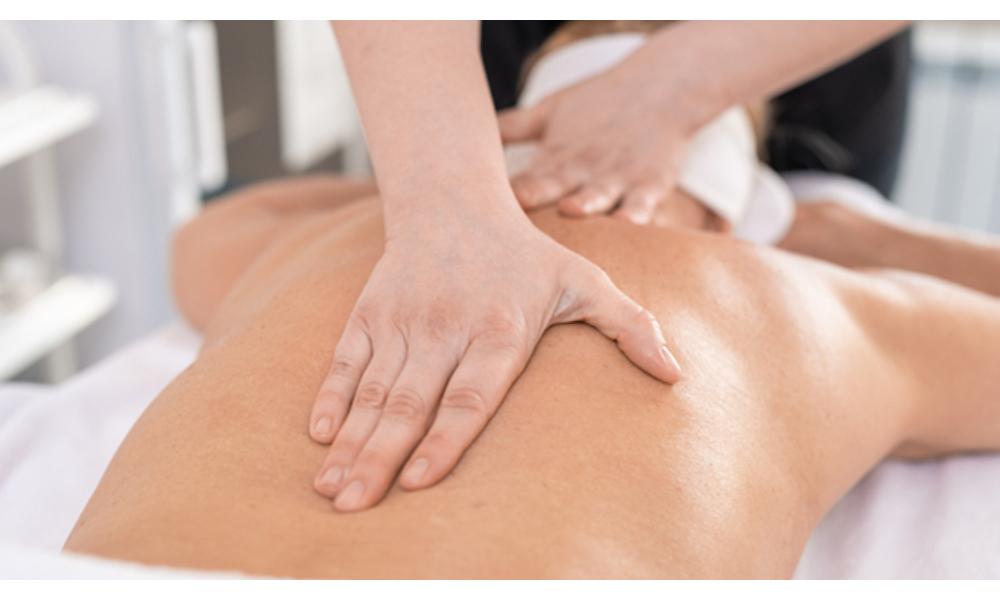
Gentle mobility work, posture breaks, hydration, and stress management can help—but if you keep finding tight “hot spots” in the same places, hands-on care may be a smart next step. A qualified massage therapist can often identify patterns of muscular tension and trigger points that contribute to referred pain, then target those areas to help reduce the load your neck and shoulders are carrying.
If headaches are severe, sudden, or accompanied by symptoms like fainting, numbness, vision changes, or confusion, seek medical care promptly. But for day-to-day headaches that seem connected to stiffness and tension, addressing the neck-and-shoulder source can be one of the most practical paths toward relief.
