

For the last two weeks, a new pandemic outbreak has been making newspaper headlines. With the news coming up, a wave of questions, fear, concerns, and anxiety has emerged. If you are constantly seeing news about ‘hantavirus’ and you are not sure what to do, what not to do, or what the virus can do to you and your family, this blog is for you. The blog breaks down the facts before you and shows you exactly what’s happening and what you need to do right now.
What’s happening now?
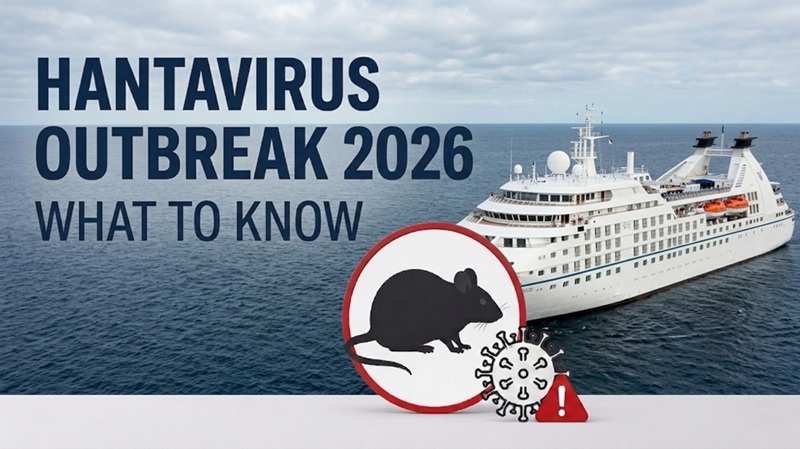
The CDC (Centers for Disease Control and Prevention) says about the fatal hantavirus outbreak on a cruise ship in the Atlantic Ocean, reported on May 2, 2026. The current strain of hantavirus responsible for this outbreak is the Andes virus. The viral infection leads to hantavirus pulmonary syndrome (HPS).
The ship departed from Ushuaia, Argentina, on April 1, 2026, with 147 passengers in total. According to the initial reports, the initial infections may have occurred during a birdwatching event at a landfill. Exposure to disease-carrying rodents was higher than usual in such an environment.
Till May 12, 9 cases were confirmed and 2 suspected, including 3 deaths reported. Currently, 18 people are under supervision in U.S. medical facilities for hantavirus with 16 at the University of Nebraska Medical Center and 2 transferred to Emory University in Atlanta.
What Is the Andes Virus?
Hantavirus is not a new entity. From 1993 through 2023, a total of 890 laboratory-confirmed hantavirus cases were reported across the United States. This specific strain has made the outbreak more vital.
The Andes virus is the only hantavirus that spreads from person to person. Although rare, human interaction requires close, prolonged contact with an individual with symptoms. The closeness refers to physical contact, prolonged time spent in enclosed spaces, and exposure to the infected person’s saliva or respiratory secretions.
There is no documented evidence of presymptomatic transmission, suggesting people infected with the Andes virus are most infectious only when symptoms begin.
What Are the Hantavirus Symptoms?
Symptoms of hantavirus infection appear within 1 to 6 weeks after exposure. Early symptoms of illnesses like influenza or other viral illnesses can include fever, fatigue, and muscle aches. Severe symptoms may appear really fast, so it’s important to connect with your healthcare provider if you find odd symptoms. Infected individuals develop symptoms after exposure to rodent excrement or someone with the infection.
Late symptoms, appearing four to ten days after the initial illness phase, include cough, shortness of breath, and fluid in the lungs. The last one is fatal and is one of the hallmarks of hantavirus pulmonary syndrome.
Among patients who suffer from severe respiratory symptoms, the fatality rate has been estimated to be high. Early medical attention is crucial.
Are There Potent Treatment Measures?
Currently, there is no antiviral treatment or vaccine for the Andes virus. Early medical care is much needed, with care centered on managing symptoms. Patients with suspected HPS can deteriorate fast, and delayed care reduces the chance of survival. In severe cases,
extra-corporeal membrane oxygenation (ECMO) can significantly improve survival, up to approximately 80%, if started early.
What Is the Risk to the General Public?
To the questions most people ask, the answer, based on current evidence, is reassuring.
Public health officials focus on the risk to people in the United States, and that risk is extremely low. The chance of widespread outbreaks in the U.S. is extremely rare.
Transmission of hantavirus requires exposure to aerosolized rodent excreta, a
vector-mediated process influenced by region and sanitation. The most infected patients will not pass the disease to another person.
Unless you had close, prolonged contact with someone who was, your personal risk right now is effectively negligible.
What Should You Do?
For most Americans, it is vital to be informed. If you are in a monitored exposure group or simply want to be cautious. You must –
- Check symptoms: Look for signs of fever, fatigue, muscle aches, or respiratory issues after a potential exposure.
- Avoid rodent exposure: This remains the primary route of hantavirus transmission, generally. Cover food, avoid handling rodents, and avoid cleaning areas with possible rodent activity.
- Do not test out of panic: CDC does not recommend testing people for the Andes virus unless they have symptoms.
- Contact your health department. Visit only if you believe you had direct contact with someone confirmed to have been on the affected cruise ship.
When to See a Doctor?
Reach out for medical care immediately if you have a fever, fatigue, muscle aches, or breathing difficulty after exposure, whether through contact with a confirmed case or recent rodent exposure in high-risk environments. Early diagnosis can be difficult, especially within the first 72 hours of symptom onset, so repeat diagnostic testing is often done 72 hours after symptom onset. Do not delay care. If you have any doubt, check your symptoms through the symptom checker tool on Medipedia for reassurance and reconfirmation from your end. Rest, don’t be late in visiting a doctor if you find any odd symptoms following viral exposure.
Conclusion
The 2026 hantavirus outbreak is a fatal public health event that deserves real attention. Health authorities are actively investigating the situation; infected passengers are under medical supervision, and the risk to the broader U.S. population remains extremely low. Stay informed through the CDC and your local health department, know the symptoms, and seek prompt care if you have any genuine concerns.
Medical Disclaimer:
The information provided in this article is intended for general informational and educational purposes only. It is not a substitute for professional medical advice, diagnosis, or treatment. Always consult your physician, a licensed healthcare provider, or another qualified medical professional with any questions you may have about a medical condition, medication, or treatment plan. Never disregard professional medical advice or delay seeking it because of something you have read in this article. If you are experiencing a medical emergency, call 911 or go to your nearest emergency room immediately. The author and publisher of this content assume no responsibility for any adverse effects arising from the use or application of the information contained herein.
