


Having a baby in your life is both life-changing and exciting experience. During the first week of life, feeding is one of the most important aspects of the overall development and health. While most babies learn to feed naturally, others may experience challenges that make both breastfeeding and bottle-feeding challenging.
One common condition that can lead to feeding difficulties is infant tongue-tie, which can affect anyone regarding genetically predisposition. An infant feeding assessment plays crucial role in identifying whether tongue-tie is affecting your baby’s chance to feed with ease. You should check here to learn more about infant tongue-tie.
Understanding what tongue-tie is, how feeding assessment functions and what treatment options are available can help you make relevant decisions while reducing stress during the early months.
What Is Infant Tongue-Tie?
Tongue-tie, or as medical term states ankyloglossia is a condition present at birth in which thin piece of tissue connects the floor of the mouth and tongue, which is known as lingual frenulum. Generally, it is tighter, thicker and shorter than usual, while the restriction can limit the overall movement.
Not every baby with this particular problem will experience feeding issues. Some infants tend to grow and nurse normally despite having visible problem, while others struggle with sucking, latching and transferring milk with ease and efficiency. The severity of tongue-tie varies from mild to significant, which is why you should undergo professional evaluation.
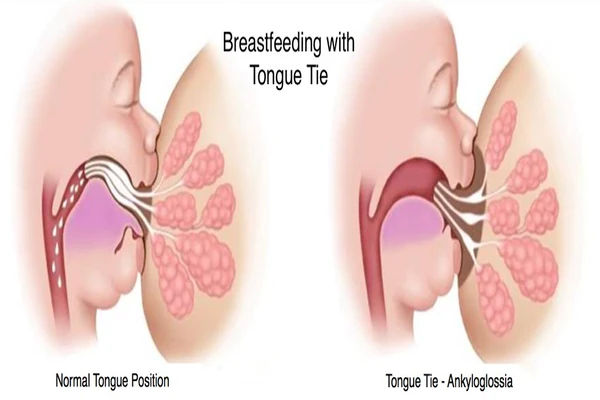
You should know that successful infant feeding requires a coordinated series of movement that involves lips, tongue, jaw and swallowing muscles. During breastfeeding, the baby tongue must extend over the lower gum, cup around the nipple, maintain a secure latch, compress milk ducts with ease and create suction.
If tongue movement is restricted, these functions can become challenging, leading to ineffective frustration and feeding for both parents and infants. Bottle-fed babies may also experience issues, although problems can happen differently.
Signs You Should Adopt Feeding Assessment
Many newborns come with occasional feeding challenges, especially during the first few weeks. However, persistent problems are the indication you need professional help and evaluation.
Possible signs may include difficulty latching, clicking sounds during feeding, frequent slipping off the breast, lousy weight gain, prolonged feeding sessions, milk leaking from the mouth, gassiness from excess air, frequent hunger, and falling asleep before finishing.
Parents should also consider their own symptoms including significant pain, damaged or cracked nipples, recurrent plugged ducts, mastitis, and pain through the nursing sessions, incomplete drainage, and low milk supply. These signs and symptoms do not mean a baby has a tongue-tie, but that you should call professionals to help you with the process of evaluation.
You should check out more about Dr. Liz Turner’s practice, which will help you with the evaluation and assessment.
Infant Feeding Assessment
You should undergo an infant feeding assessment, which represents a comprehensive evaluation performed by trained healthcare professionals such as pediatricians, lactation consultants, occupational therapist, speech-language pathologists or pediatric dentists with expertise in feeding.
Rather than focusing just on the tongue, the assessment will examine the entire feeding process. The evaluation will include medical history, birth history, pregnancy, weight gain patterns, feeding frequency, oral anatomy, breastfeeding, tongue mobility, lip movement, sucking coordination, jaw function, and swallowing ability.
When you observe an actual feeding session can help you obtain valuable information that you cannot get from a straightforward physical examination without any additional hassle. Still, diagnosis should never rely simply on appearance. Some babies have visible frenulum but can feed with ease. Others have less obvious restrictions that will significantly affect the process.
Healthcare providers can help you evaluate both function and anatomy. They will ask you questions such as does the baby maintain suction, is milk transferred efficiently, is feeding comfortable, weight gain adequate, and other questions regarding the feeding process.
It is important to ensure the doctors have the overall picture, because they are more likely to determine whether intervention is necessary or not.
Although tongue-tie is associated with breastfeeding, you should know that bottle-fed infants could also experience challenges. Possible bottle-feeding symptoms include frequent breaks, excessive dribbling, choking, poor suction, clicking noises, and difficulty finishing bottles. Since bottle nipples can vary in shape and flow, some infants tend to compensate better than others do.
Treatment Options
You should remember that not every tongue-tie requires treatment. If feeding is effective, weight gain is appropriate, and you feel comfortable, the only thing you should do is observe. When tongue restriction contributes to feeding problems, treatments may include lactation support, for instance.
We are talking about improving positioning, feeding strategies and latch techniques that can resolve problems without potential surgeries. We recommend you to talk with lactation consultant and experts. Visit this link: https://www.dailymotion.com/video/x93lmec to learn more about this particular topic.
Certain healthcare providers can recommend gentle exercises that encourage improved oral coordination and tongue mobility. These recommendations vary depending on your loved one’s specific needs.
