

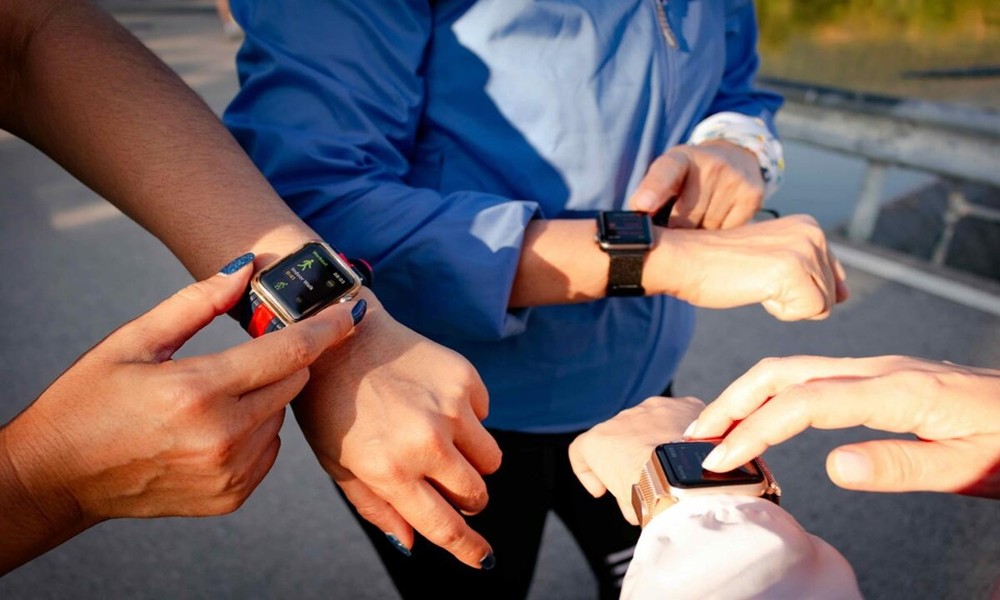
In 2026, wearable technology is no longer a niche fitness accessory. It has become part of the daily routine for millions of people trying to train smarter, sleep better, recover faster, and stay consistent with their health goals. From step counts and heart rate monitoring to sleep scores and recovery metrics, fitness trackers now influence how people move, rest, and think about performance.
But as wearables become more advanced, an important question is starting to come into sharper focus: are these devices genuinely helping people improve their health, or are they simply making people more dependent on data?
That question matters because wearables now shape far more than just gym sessions. For many users, the information on their watch or app now influences whether they train hard, take a rest day, go to bed earlier, or even feel good about themselves. The technology is powerful, but the mindset around it is just as important.
The rise of data-driven fitness
One of the biggest reasons wearables have become so popular is simple: they make health feel measurable.
A goal like “get fitter” is vague. A goal like “hit 10,000 steps,” “sleep 8 hours,” or “keep my heart rate in zone 2 for 30 minutes” feels specific and achievable. That level of feedback has made wearables especially appealing to people who want structure without hiring a coach or following a highly detailed training plan.
The average person does not necessarily need elite-level fitness advice. Often, they just need a nudge. Wearables are good at delivering exactly that. They remind people to move more, give them a visible record of effort, and create a level of accountability that can be enough to improve consistency.
That is a big part of their value. In health and fitness, consistency almost always matters more than intensity. A wearable that encourages someone to walk every day, sleep a little better, and pay attention to recovery is doing something meaningful.
Why people trust wearables so much
There is also a psychological reason wearables have become so influential. Numbers feel objective.
If a watch says your sleep score is poor, your recovery is down, or your resting heart rate is elevated, it can feel like a hard truth rather than a rough estimate. For people who like certainty, that can be comforting. It turns health into something trackable and visible instead of something abstract.
The problem is that fitness data is easy to overvalue.
Most wearable metrics are useful as trend indicators, not as perfect judgments. A poor recovery score might reflect bad sleep, stress, alcohol, travel, illness, or just a slightly off day. A lower readiness score does not always mean you must cancel training. A lower step count on one day does not mean your week is failing.
When users forget that context matters, wearables can shift from being helpful tools to becoming low-level sources of stress.
When useful feedback becomes unhealthy dependence
This is where the conversation gets more interesting.
Wearables can absolutely improve behaviour, but they can also subtly change how people relate to their own body. Instead of asking, “How do I feel today?” some users now ask, “What does my watch say?” Instead of learning normal energy fluctuations, they can start looking for numerical permission to rest, train, or feel productive.
That kind of dependence can take some of the instinct out of fitness.
A person might sleep badly, feel okay, and still decide not to train because their tracker gave them a poor recovery score. Another person might ignore clear fatigue because they want to complete a ring, streak, or calorie target. In both cases, the device is no longer supporting awareness. It is overriding judgment.
That does not mean wearables are the problem. It means they work best when used in the right role. They should support self-awareness, not replace it.
The best use of wearables: pattern recognition
At their best, wearables help people spot patterns.
They can show what happens when sleep drops for several nights in a row. They can reveal whether resting heart rate tends to climb during stressful periods. They can help users notice how alcohol, under-eating, inconsistent training, or poor recovery habits affect overall performance.
That is where the technology shines.
Instead of treating each score as a verdict, a healthier approach is to use wearables as long-term feedback tools. Over time, they can help users connect lifestyle choices with outcomes. That makes them useful not because they are always perfectly accurate, but because they increase awareness.
For many people, that awareness is enough to produce better habits.
The downside of constant self-monitoring
There is, however, a cultural downside to all of this.
Fitness used to revolve around mirrors, scales, and gym performance. Now it increasingly revolves around dashboards. Sleep is scored. Recovery is scored. Stress is scored. Readiness is scored. Activity is scored. Even rest can start to feel like another thing to optimize.
For some users, that becomes mentally exhausting.
Not every part of health needs to be measured all the time. Sometimes good health looks like exercising regularly, eating reasonably well, sleeping enough, and not feeling the need to check five different graphs before breakfast. The more data people get, the more discipline it takes not to become ruled by it.
That is why the healthiest relationship with wearable technology often comes down to restraint. The question is not whether your device can tell you more. It is whether more information is actually improving your decisions.
Recovery is finally part of the mainstream conversation
One positive shift wearables have helped create is the wider acceptance of recovery as part of training.
For years, a lot of people treated recovery as optional. If you were not working harder, you were falling behind. Wearables have helped bring sleep, fatigue, readiness, and overall training load into everyday fitness culture. That is a good thing.
More people now understand that progress does not come only from effort. It also comes from adaptation. And adaptation depends on sleep, rest, nutrition, and sensible training volume.
This is one of the strongest arguments in favour of wearables. Even when the numbers are imperfect, they often push users toward a better overall mindset. They make recovery feel legitimate rather than lazy.
Supplements, recovery, and keeping the conversation grounded
As recovery becomes a bigger part of mainstream fitness, it is natural for people to start exploring how nutrition and supplementation fit into that picture.
For most people, the basics still matter most: getting enough protein, staying hydrated, sleeping consistently, and following a training plan that is realistic enough to recover from. Those habits outperform most shortcuts in the long run.
Beyond that, readers often become curious about broader performance and recovery discussions, including ingredients, compounds, and categories that are frequently mentioned online but not always explained responsibly. This is where it helps to stick to educational, evidence-based resources rather than hype-driven content.
For readers who want a broader look at the research side of performance and recovery, including how compounds are discussed in evidence and regulation-focused contexts, this guide offers a useful starting point.
Final thoughts
Wearables are neither miracle tools nor meaningless gadgets. They are just that: tools.
Used well, they can help people move more, sleep better, and stay more consistent with their health habits. Used badly, they can create stress, dependence, and the feeling that every part of life needs to be scored.
The smartest approach sits somewhere in the middle. Pay attention to the data, but do not surrender your judgment to it. Let the numbers inform you, not control you. If a wearable helps you build better habits and better awareness, it is doing its job.
And in a fitness world that often swings between extremes, that kind of balance may be the healthiest trend of all.
