

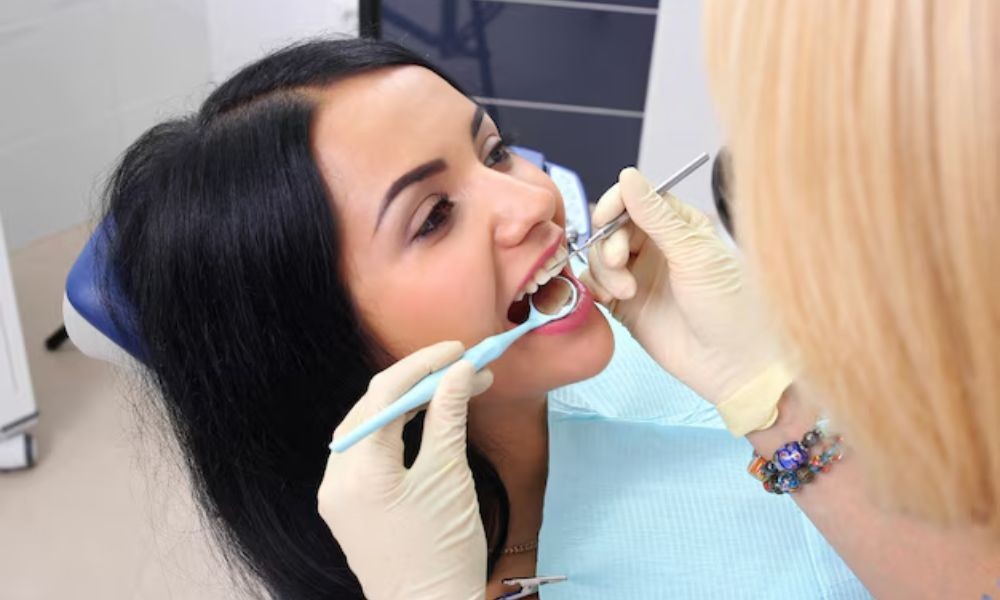
Losing a tooth can happen for a variety of reasons, including tooth decay, gum disease, injury, or accidents. While some people may initially view a missing tooth as mainly a cosmetic issue, the effects of tooth loss can extend far beyond appearance. In reality, even a single missing tooth can gradually affect the function, alignment, and overall health of the entire mouth.
Dentists often recommend replacing missing teeth as soon as possible because early treatment can prevent a range of complications. Understanding why timely tooth replacement matters can help patients make informed decisions about protecting their long-term oral health.
How Missing Teeth Affect Oral Health
Each tooth plays an important role in maintaining the structure and balance of the mouth. Teeth work together to support proper chewing, speech, and bite alignment. When one tooth is missing, the surrounding teeth may begin to shift toward the empty space.
Over time, this shifting can create several dental problems, including:
- Misaligned teeth
- Uneven bite pressure
- Difficulty chewing certain foods
- Increased wear on nearby teeth
As teeth move out of their natural positions, maintaining proper oral hygiene can also become more difficult, increasing the risk of cavities and gum disease.
Jawbone Loss After Tooth Loss
One of the most significant long-term effects of missing teeth is jawbone deterioration. Natural tooth roots stimulate the jawbone whenever a person bites or chews. This stimulation helps maintain bone density and strength.
When a tooth is lost, the root is no longer present to provide this stimulation. As a result, the jawbone in that area may gradually begin to shrink. This process, known as bone resorption, can occur over time and may lead to noticeable changes in facial structure.
Bone loss can also make it more challenging to place dental restorations later, which is why dentists often encourage early treatment.
Teeth Shifting and Bite Problems
Another common consequence of tooth loss is the shifting of neighboring teeth. Teeth naturally move toward open spaces in the mouth, which can lead to crowding or uneven spacing.
When teeth shift, it can create bite problems that affect how the upper and lower teeth come together. This misalignment may cause additional strain on certain teeth and even contribute to jaw discomfort.
Correcting bite issues later often requires orthodontic treatment, which can be avoided in many cases by replacing the missing tooth early.
Benefits of Early Tooth Replacement
Replacing a missing tooth soon after it is lost provides several important benefits for oral health. Early treatment helps maintain the natural alignment of teeth and prevents surrounding teeth from shifting.
Some key advantages of early tooth replacement include:
- Preserving jawbone density
- Maintaining proper bite alignment
- Restoring normal chewing ability
- Preventing excessive wear on other teeth
- Supporting overall oral health
By addressing tooth loss early, patients can avoid more complex dental procedures in the future.
Common Tooth Replacement Options
Modern dentistry offers several solutions for replacing missing teeth. The most suitable option depends on the patient’s oral health, preferences, and long-term goals.
Some common tooth replacement treatments include:
Dental implants
Dental implants are widely considered one of the most durable and natural-looking solutions. They replace both the root and visible portion of the tooth, helping maintain jawbone health.
Dental bridges
A bridge uses neighboring teeth to support an artificial tooth that fills the gap left by the missing tooth.
Partial dentures
Removable dentures can replace one or more missing teeth and are often recommended when multiple teeth are missing.
Patients often consider dental implant treatment because implants function similarly to natural teeth and provide strong support for long-term oral health.
Maintaining Oral Health After Tooth Replacement
Once a missing tooth has been replaced, maintaining proper oral hygiene is essential for preserving the results. Patients should continue practicing good daily habits to keep both natural teeth and restorations healthy.
Dentists commonly recommend:
- Brushing teeth twice daily with fluoride toothpaste
- Flossing regularly to remove plaque between teeth
- Visiting the dentist for routine checkups and cleanings
- Avoiding chewing hard objects that may damage restorations
Regular dental visits allow professionals to monitor oral health and ensure that tooth replacements remain stable and functional.
Many patients seek professional evaluation at clinics such as Cambridge Centre Dental Care to explore suitable tooth replacement options and receive personalized care.
Final Thoughts
Although losing a tooth may seem like a minor issue at first, it can lead to several long-term oral health problems if left untreated. Missing teeth can cause shifting of surrounding teeth, bite misalignment, and gradual jawbone loss.
Replacing a missing tooth early helps preserve oral function, maintain proper alignment, and protect the health of the jawbone. By consulting a dental professional and exploring available treatment options, patients can restore their smile while supporting long-term dental health.
