

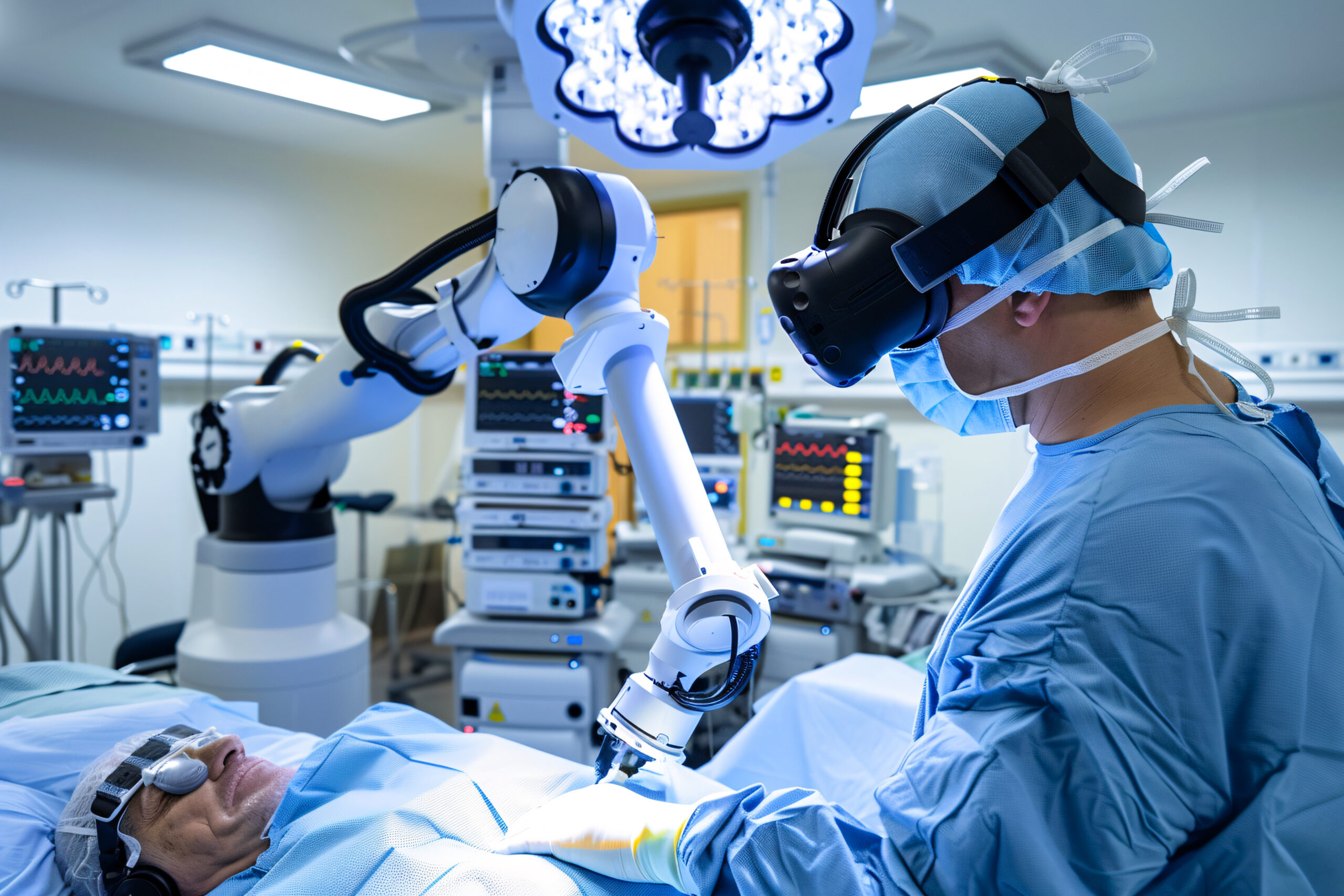
Surgical technology has changed a lot in recent years. Contemporary hospitals heavily rely on advanced tools that help surgeons perform complex procedures with greater control. One such development is robotic surgery. Many doctors have heard about it, but not everyone fully understands what learning robotic surgery actually involves.
If you (or someone you know) are planning to build a career in advanced surgical techniques, then you might have come across the idea of enrolling in a robotic surgery course. At first, it may sound highly technical or even intimidating. However, when you understand how these programmes work, the learning process becomes much clearer.
Key Benefits That Many Surgeons Discover During Training
When doctors first hear about robotic surgical training, some assume that it focuses only on operating a machine. In reality, the learning experience is much broader and often more practical than expected. Some benefits usually associated with structured training include:
- Understanding how robotic instruments improve surgical precision during delicate procedures.
- Learning how to control instruments through a surgical console with better stability
- Becoming familiar with the safety protocols required when robotic systems are used in surgery
These elements help surgeons gain confidence while working with advanced medical technology.
Skills That Develop Through Structured Learning
Robotic surgery training is not only about understanding equipment. It also helps surgeons refine several important professional skills that are useful in modern surgical practice. Many training programmes include learning opportunities such as –
- Simulation sessions where surgeons practise robotic instrument movements in controlled environments.
- Live procedure observations that help trainees understand how experienced surgeons use robotic systems.
- Mentored learning where instructors guide participants through surgical planning and technique development.
Through these experiences, doctors gradually build both knowledge and practical confidence while using robotic technology.
Why Professional Training Holds Utmost Importance?
Some surgeons believe that robotic systems are easy to learn simply by observing procedures. However, practical training often makes a significant difference in how comfortably a surgeon uses these tools.
A structured robotic surgery course helps doctors understand the technology, practise essential skills, and gain confidence before performing procedures independently. When surgeons receive proper training, they are usually better prepared to use robotic systems safely and effectively in modern surgical practice.
