

Spend enough time on the Gold Coast and a strange kind of blindness develops. Sun-damaged skin is everywhere – on neighbours, on colleagues, and on people queuing for coffee – and that visual saturation does something to perceptions. A mole or a rough patch that would prompt immediate concern in a population with less sun exposure simply disappears into the background here, filed mentally alongside every other mark that everyone seems to have. This normalisation is not a minor cultural quirk. It is one of the central reasons skin cancers in this region are so often found later than they should be, and a skin cancer doctor in Gold Coast spends a great deal of their working life dealing with the consequences of exactly this pattern.
The Checklist Misses What Matters Most
Most people carry around a rough mental model of what a dangerous mole looks like – uneven, multicoloured, growing, and irregular at the edges. That model came from public health checklists designed to raise general awareness, and it does some good. What it does not do is prepare anyone for nodular melanoma, which behaves nothing like the model suggests. It can present as a small, symmetrical, single-coloured raised spot that looks, to an untrained eye, like nothing at all – a pimple that will not go away, perhaps, or a slightly raised freckle. The lesions that experienced clinicians worry about most are sometimes the ones the public has been trained to ignore. This is not a failure of public education so much as a limitation that no checklist can fully overcome, which is precisely the gap that clinical examination exists to close.
What a Magnified Light Source Reveals
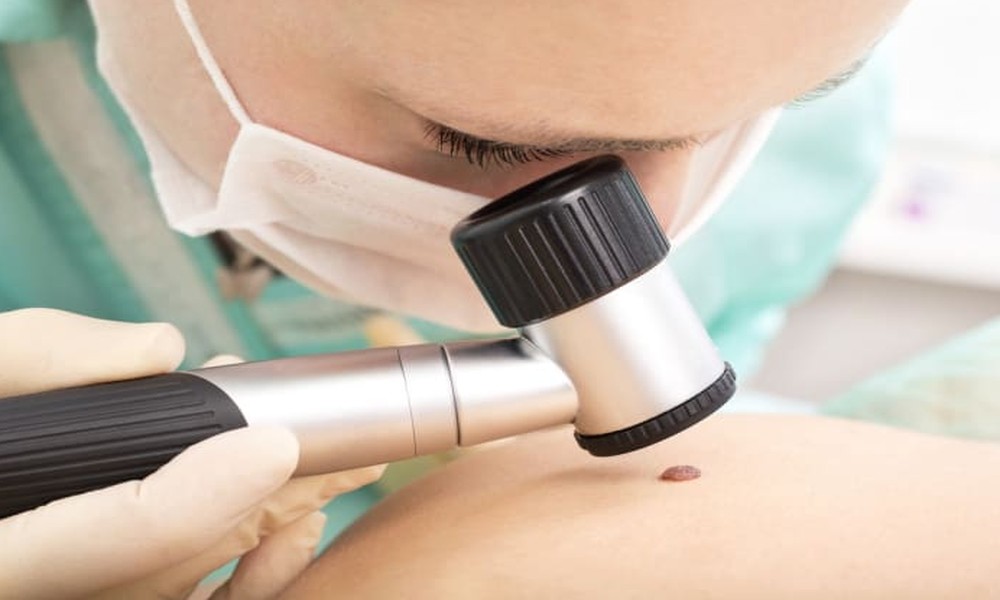
A visual scan with the naked eye, however careful, only ever sees the surface. Dermoscopy – examining a lesion under specialised magnification and lighting – opens up a layer of information that simply does not exist at naked-eye resolution. Pigment patterns, vascular structures, and irregularities beneath the surface become visible in ways that can turn an ambiguous-looking spot into either a confident reassurance or a clear case for biopsy. A skin cancer doctor in Gold Coast working with dermoscopy as standard practice is not doing a more thorough version of the same examination – they are looking at genuinely different information, and that difference is often what separates an early catch from a missed one.
The Value Is in the Comparison
A single skin check, however thorough, is a snapshot. What often matters more is the comparison between snapshots taken months or years apart. A mole that looked unremarkable at the last visit but has shifted in shape, darkened, or grown is telling a story that no single examination can tell on its own. For people with a great many moles – where any one visit involves looking at an overwhelming number of individual marks – having a photographic record to compare against is frequently what surfaces the one lesion that has actually changed among the many that have not. Without that record, change has to be noticed by memory alone, which is an unreliable instrument at the best of times.
Family History Changes the Whole Picture
A family history of melanoma is not just a genetic footnote to mention if it comes up. It reflects shared skin type, shared mole patterns, and shared sun sensitivity that run through families regardless of any specific gene being identified. Someone with this history who has never raised it during a check is withholding information that should genuinely change how often they are seen and how cautiously borderline spots are treated. A proper consultation asks about this directly, because most patients do not think to volunteer it themselves.
Timing Decides the Treatment Path
The same skin cancer, depending on when it is found, can mean a brief outpatient procedure or a far more involved treatment journey involving specialist referral and more invasive surgery. This is not an abstract statistic – it is the entire reason regular checks matter. Early detection does not just improve outcomes in a general sense. It often changes the category of treatment altogether, from something minor and contained to something that disrupts months of a person’s life.
Conclusion
Skin cancer rewards early attention more than almost any other condition and punishes delay correspondingly. A skin cancer doctor in Gold Coast bringing genuine clinical examination, dermoscopy, and photographic mapping over time provides something self-checks simply cannot replicate, however vigilant a person tries to be. Given how common skin cancer is here, regular professional checks are worth treating as routine rather than optional. If something changes between visits, it is worth having looked at sooner rather than later.
